Unlocking Calm: The Transformative Art Therapy Benefits for Anxiety
art therapy benefits for anxiety

Unlocking Calm: The Transformative Art Therapy Benefits for Anxiety

Harness your inner creativity to find peace, reduce worry, and build resilience against anxiety's grip.

Explore Your Journey

Key Takeaways

  • ✓ Art therapy provides a non-verbal outlet for complex emotions, often bypassing the need for words.
  • ✓ Engaging in creative processes can significantly reduce cortisol levels, the body's primary stress hormone.
  • ✓ It enhances self-awareness and self-esteem, crucial components in managing anxiety effectively.
  • ✓ Art therapy is adaptable for all ages and requires no prior artistic skill or experience.

How It Works

1
Initial Assessment & Goal Setting

A qualified art therapist will meet with you to understand your anxiety symptoms and discuss your personal goals for therapy. This helps tailor the approach to your unique needs.

2
Creative Exploration & Expression

You'll engage in various art-making activities, such as drawing, painting, sculpting, or collage. The focus is on the process of creation and self-expression, not on producing a 'masterpiece'.

3
Reflection & Processing

After creating, you'll discuss your artwork with the therapist. This reflection helps uncover emotions, thoughts, and patterns related to your anxiety, providing insights for coping.

4
Integration & Skill Building

The insights gained are then integrated into daily life, developing new coping strategies and perspectives. This empowers you to manage anxiety more effectively outside of therapy sessions.

Understanding Anxiety: The Modern Epidemic and Its Impact
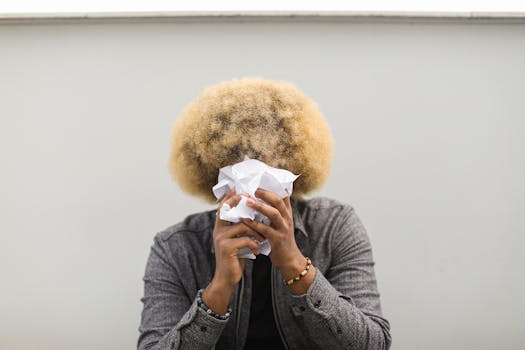
A person with afro hair hides face with crumpled paper, showing creativity and introspection. Photo: Cup of Couple / Pexels
Anxiety is more than just feeling stressed; it's a persistent, excessive worry that can interfere with daily life, relationships, and overall well-being. In the United States, anxiety disorders are the most common mental illness, affecting 40 million adults aged 18 and older, or 18.1% of the population, each year. Despite its prevalence, only about one-third of those affected receive treatment. This widespread issue manifests in various forms, from generalized anxiety disorder (GAD) to panic disorder, social anxiety, and phobias. The symptoms can be debilitating, encompassing physical sensations like heart palpitations, shortness of breath, and muscle tension, as well as emotional and cognitive challenges such as irritability, difficulty concentrating, and a constant sense of impending doom. The relentless cycle of worry can lead to sleep disturbances, chronic fatigue, and even exacerbate other health conditions. Traditional approaches to managing anxiety often include psychotherapy, medication, or a combination of both. While these methods are effective for many, they don't resonate with everyone, and some individuals may seek complementary or alternative therapies to support their healing journey. This is where the profound art therapy benefits for anxiety come into play, offering a unique and powerful avenue for exploration and relief. The non-verbal nature of art allows individuals to express complex emotions and experiences that might be difficult to articulate verbally, making it particularly effective for those who struggle with traditional talk therapy. By externalizing internal states through creative expression, individuals can gain a new perspective on their anxiety, reducing its overwhelming power and fostering a sense of control. The act of creating itself can be deeply meditative, grounding individuals in the present moment and providing a much-needed respite from anxious thoughts. This section sets the stage for understanding why innovative, holistic approaches like art therapy are not just beneficial, but often essential, in addressing the multifaceted challenges of anxiety in contemporary society. It underscores the need for diverse therapeutic options that cater to the unique needs and preferences of individuals struggling with this pervasive condition. Exploring art as a therapeutic tool opens up a world of possibilities for healing and self-discovery. Discover more about the power of creative expression in healing.

The Science Behind the Canvas: How Art Therapy Calms the Anxious Mind
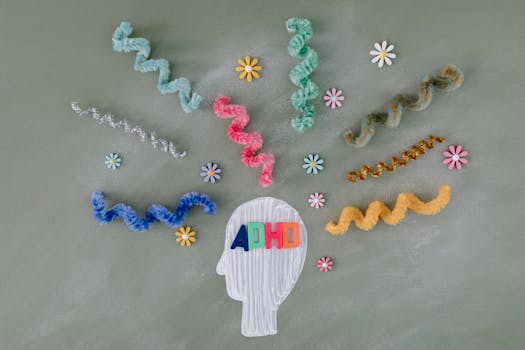
Creative illustration highlighting ADHD awareness with colorful brain imagery. Photo: Tara Winstead / Pexels
The efficacy of art therapy in addressing anxiety is increasingly supported by scientific research, moving it beyond anecdotal evidence to a recognized therapeutic modality. At its core, art therapy engages several psychological and physiological mechanisms that collectively contribute to reducing anxiety symptoms. One of the primary benefits is its ability to facilitate non-verbal communication. Anxiety often leaves individuals feeling speechless, unable to articulate the depth of their distress. Art provides a safe, symbolic language to express these inexpressible feelings. By externalizing internal turmoil onto a canvas or into a sculpture, individuals can gain distance from their overwhelming emotions, making them more manageable and less threatening. This process, known as 'externalization,' is a powerful tool in cognitive restructuring, allowing for a new perspective on anxious thoughts. Furthermore, engaging in creative activities has a direct impact on the brain's neurochemistry. Studies have shown that art-making can reduce levels of cortisol, the body's primary stress hormone, while simultaneously increasing endorphins and dopamine, neurotransmitters associated with pleasure and well-being. The focused attention required for art creation can act as a form of mindfulness, pulling the individual out of rumination and into the present moment. This mindful engagement helps to quiet the overactive amygdala, the brain region responsible for processing fear and anxiety. The therapeutic relationship with a qualified art therapist is another critical component. The therapist acts as a guide, helping the individual interpret their artwork and connect it to their life experiences and anxiety triggers. This reflective process fosters self-awareness and insight, empowering individuals to identify patterns of thought and behavior that contribute to their anxiety. It's not about analyzing the art from an aesthetic perspective, but rather understanding the feelings, symbols, and narratives that emerge from the creative process. The tactile nature of many art forms—the feel of clay, the brush against paper, the smell of paint—also provides sensory input that can be deeply grounding and calming. This sensory engagement can help regulate the nervous system, especially for those experiencing panic attacks or intense physical manifestations of anxiety. Moreover, art therapy promotes a sense of mastery and accomplishment. Completing an artwork, regardless of its artistic merit, can boost self-esteem and self-efficacy, counteracting the feelings of helplessness often associated with anxiety. This renewed sense of capability can translate into other areas of life, enabling individuals to tackle challenges with greater confidence. The cumulative effect of these mechanisms—non-verbal expression, neurochemical changes, mindful engagement, therapeutic insight, sensory grounding, and enhanced self-esteem—underscores the comprehensive and powerful art therapy benefits for anxiety.

Practical Pathways to Peace: Diverse Art Therapy Techniques for Anxiety Relief
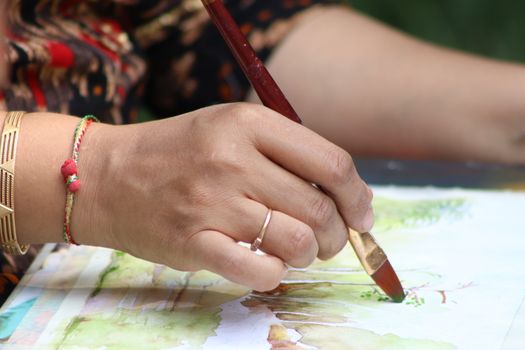
Closeup of a person's hand painting with watercolors on paper. Photo: Fahad Puthawala / Pexels
Art therapy encompasses a broad spectrum of techniques, each offering a unique avenue for individuals to explore and alleviate their anxiety. The beauty of these methods lies in their adaptability, ensuring that there's an approach suitable for everyone, regardless of artistic skill or personal preference. One of the most common and accessible techniques is drawing and painting. Simply putting a pencil to paper or a brush to canvas can be incredibly cathartic. Individuals might be encouraged to draw their anxiety, giving it a color, shape, or form, which helps externalize the feeling and make it less abstract. They might also paint a 'safe place' or a representation of calm, focusing on positive imagery to counteract anxious thoughts. Mandalas, intricate circular designs, are another powerful tool. The repetitive and focused act of coloring or creating a mandala can induce a meditative state, promoting relaxation and reducing mental clutter. This practice is particularly effective for grounding individuals who are prone to rumination. Sculpting with clay or other malleable materials offers a tactile and kinesthetic experience. The act of shaping and molding can be deeply therapeutic, allowing individuals to physically manifest and transform their emotions. For instance, someone might sculpt a representation of their anxiety and then reshape it into something more manageable or empowering. This tangible transformation can be incredibly symbolic and empowering. Collage-making is another versatile technique. By cutting and pasting images, words, and textures from magazines or other sources, individuals can create a visual narrative of their internal experience. This can be less intimidating than starting from a blank page, as it provides pre-existing elements to work with, fostering a sense of playfulness and reducing the pressure to 'create art.' Digital art therapy, using tablets or computer programs, is also gaining traction, offering new possibilities for exploration and expression, especially for those comfortable with technology. Journaling, often combined with visual elements, encourages individuals to integrate written reflection with their artistic output. This can involve writing about the artwork, the feelings it evokes, or the insights gained, deepening the therapeutic process. The key across all these techniques is the process, not the product. The focus is on the journey of creation, the self-discovery, and the emotional release that occurs, rather than on producing a aesthetically pleasing piece. A qualified art therapist guides this process, providing prompts, support, and facilitating reflection, ensuring that the experience is safe, meaningful, and therapeutically beneficial. By engaging in these diverse art-making activities, individuals can develop a richer understanding of their anxiety, cultivate new coping mechanisms, and ultimately find greater peace and emotional resilience. Explore various creative outlets to enhance your well-being.

Navigating Your Journey: Tips for Maximizing Art Therapy Benefits for Anxiety
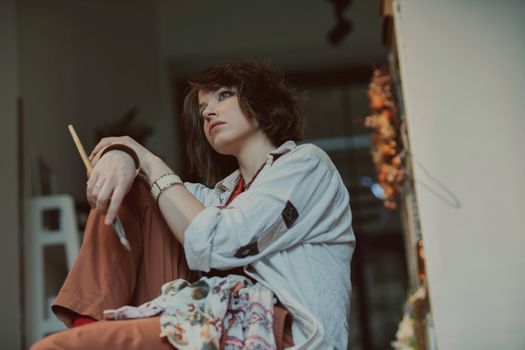
Portrait of a woman artist with brown hair, sitting thoughtfully with a paintbrush indoors. Photo: Rahib Hamidov / Pexels
Embarking on an art therapy journey can be a profoundly healing experience, but like any therapeutic process, there are ways to maximize its effectiveness, especially when addressing anxiety. Here are some essential tips to help you get the most out of your sessions and integrate the benefits into your daily life: * **Embrace the Process, Not the Product:** One of the biggest hurdles for many is the fear of not being 'artistic enough.' Art therapy is not about creating masterpieces; it's about self-expression and the therapeutic journey. Let go of perfectionism and allow yourself to create freely, without judgment. The value lies in the act of creation and the insights it brings, not in the aesthetic quality of your work. * **Be Open and Honest with Your Therapist:** Your art therapist is your guide. Share your feelings, thoughts, and any discomfort you might experience during or after creating. The more open you are, the better they can understand your internal world and tailor the therapy to your needs. This collaborative relationship is crucial for uncovering deeper insights related to your anxiety. * **Experiment with Different Mediums:** Don't limit yourself to just one type of art. Try drawing, painting, sculpting, collage, or even digital art. Different mediums can evoke different feelings and allow for varied forms of expression. You might find that one particular medium resonates more deeply with your current emotional state or helps you express certain aspects of your anxiety more effectively. * **Practice Mindfulness During Creation:** Use your art-making time as an opportunity for mindfulness. Pay attention to the colors, textures, sounds, and sensations involved in the process. This can help anchor you in the present moment, reducing the tendency to ruminate on anxious thoughts and fostering a sense of calm. * **Reflect and Journal:** After creating, take time to reflect on your artwork. What emotions does it evoke? What thoughts come to mind? How does it relate to your anxiety or current life situation? Journaling alongside your art can deepen your understanding and help you process complex feelings. Your therapist will guide you through this reflection, but personal journaling can extend the benefits outside of sessions. * **Integrate Insights into Daily Life:** The goal of therapy is to apply what you learn in sessions to your everyday life. Discuss with your therapist how the insights gained from your art can inform your coping strategies for anxiety. For instance, if you discovered a symbol for calm, how can you bring that symbol or feeling into your daily routine? * **Consistency is Key:** Like any therapeutic intervention, consistency yields the best results. Attend your sessions regularly and, if comfortable, engage in some art-making or reflective practices at home between sessions. This continuous engagement reinforces the therapeutic effects and builds momentum in your healing journey. * **Patience and Self-Compassion:** Healing from anxiety is a journey, not a destination. There will be good days and challenging days. Be patient with yourself and practice self-compassion. Celebrate small victories and acknowledge your efforts in engaging with the process. Art therapy is a powerful tool, but it's part of a broader commitment to your well-being.

Comparison

FeatureArt TherapyTraditional Talk TherapyMedication Management
Expression MethodNon-verbal, creativeVerbal, cognitivePharmacological
FocusProcess, insight through creationCognitive patterns, narrativeSymptom reduction, chemical balance
Skill RequiredNone (artistic skill not needed)Verbal articulationNo skill, adherence to dosage
Sensory EngagementHigh (visual, tactile, kinesthetic)Low (primarily auditory)None
Self-Paced Exploration
Risk of Side EffectsMinimal psychological discomfortEmotional distress during processingPotential physical/mental side effects
AccessibilityAll ages, diverse abilitiesRequires verbal capacityRequires medical consultation

What Readers Say

"Art therapy has been a revelation for my generalized anxiety. I used to struggle to put my feelings into words, but through painting, I've found a way to express the turmoil inside. It's incredibly freeing and has significantly reduced my daily worrying."

Sarah J. · Austin, TX

"I was skeptical at first, but the art therapy benefits for anxiety are real. My therapist guided me through creating collages, and the process of selecting images and textures helped me understand my triggers better. I feel more in control now."

Mark D. · Seattle, WA

"After a few months of art therapy, I've noticed a dramatic decrease in my panic attacks. The act of drawing mandalas has become my go-to coping mechanism when I feel overwhelmed. It grounds me instantly and brings a sense of calm I hadn't experienced before."

Emily R. · Chicago, IL

"While it didn't completely cure my anxiety overnight, art therapy has provided me with invaluable tools for managing it. I appreciate the non-judgmental space to explore my emotions creatively. It's a powerful complement to my other therapies."

David L. · Miami, FL

"As a busy professional, finding time for self-care was hard. Art therapy sessions feel like a mindful escape. It's not just about reducing anxiety; it's about reconnecting with a part of myself I'd lost. The relief is profound."

Jessica M. · Denver, CO

Frequently Asked Questions

What specifically are the art therapy benefits for anxiety?

Art therapy offers numerous benefits for anxiety, including providing a non-verbal outlet for difficult emotions, reducing stress hormones like cortisol, enhancing self-awareness and self-esteem, improving coping skills, and fostering a sense of control over overwhelming feelings. It helps individuals process trauma and express thoughts that are hard to articulate verbally, leading to a reduction in anxiety symptoms and improved emotional regulation.

Do I need to be artistic or have any art skills to benefit from art therapy for anxiety?

Absolutely not. One of the core principles of art therapy is that artistic skill is completely irrelevant. The focus is on the process of creation and self-expression, not on producing a 'beautiful' piece of art. The therapist guides you in using various materials to explore your inner world, making it accessible and beneficial for everyone, regardless of their artistic background.

How do I find a qualified art therapist in my area?

To find a qualified art therapist, you can search directories provided by professional organizations such as the American Art Therapy Association (AATA). These resources allow you to locate registered and board-certified art therapists in your region. You can also ask your doctor or mental health professional for referrals, or search online for 'art therapist near me' to find local practitioners.

Is art therapy an expensive option compared to traditional therapy?

The cost of art therapy can vary depending on location, the therapist's qualifications, and whether it's an individual or group session. Generally, it's comparable to traditional talk therapy sessions. Many insurance plans now cover art therapy, especially if provided by a licensed mental health professional. It's always best to check with your insurance provider and the therapist about their fees and coverage options.

How does art therapy compare to mindfulness or meditation for anxiety?

While both art therapy and mindfulness/meditation can reduce anxiety by promoting present-moment awareness, art therapy offers a unique active and expressive component. It not only grounds you in the moment but also provides a tangible outlet for emotions and thoughts, allowing for deeper self-exploration and insight through the creative process. It can be seen as an active form of meditation, combining cognitive and emotional processing with sensory engagement.

Who should consider art therapy for anxiety?

Art therapy is beneficial for a wide range of individuals struggling with anxiety, including children, adolescents, and adults. It's particularly helpful for those who find it difficult to express themselves verbally, individuals experiencing trauma, or those seeking a complementary approach to traditional therapy. Anyone looking for a creative, non-judgmental space to explore and manage their anxiety can benefit.

Are there any risks associated with engaging in art therapy for anxiety?

When conducted by a qualified and ethical art therapist, the risks associated with art therapy are minimal. Sometimes, the process of exploring emotions can bring up uncomfortable feelings or memories, but a trained therapist is equipped to help you navigate these experiences in a safe and supportive environment. It's a gentle yet powerful modality designed to promote healing, not distress.

What are the future trends in art therapy for anxiety?

Future trends in art therapy for anxiety include increased integration with digital tools and virtual reality for broader accessibility, a growing emphasis on neuroaesthetics to understand the brain's response to art-making, and further research into specific art-based interventions for various anxiety disorders. There's also a trend towards incorporating art therapy more broadly in community mental health programs and preventative care.

Ready to transform your relationship with anxiety? Explore the profound art therapy benefits for anxiety and discover how creative expression can guide you towards a calmer, more resilient life. Take the first step towards healing and inner peace today.

Topics: art therapy benefits for anxietycreative expression for stress reliefmanaging anxiety with artemotional healing through arttherapeutic art practices
Leo List

DK Escorts LU Escorts AT Escorts SE Escorts FI Escorts CH Escorts DE Escorts HR Escorts IE Escorts GR Escorts CZ Escorts NO Escorts BE Escorts FR Escorts SI Escorts IL Escorts NL Escorts PL Escorts HU Escorts ES Escorts IT Escorts PT Escorts SK Escorts RO Escorts ZA Escorts UY Escorts US Escorts UK Escorts NZ Escorts AU Escorts
Brampton weed
Adultwork EstrelaBet Vai de Bet R7 Bet Betão Galera Bet Rainbet Bet9ja Shop SportyBet BetKing Sisal Loto Foot Hollywoodbets YesPlay Odibets RushBet Jugabet BetWarrior BetCity MSport betPawa Fortebet