Unlocking Well-being: The Benefits of Art Therapy for Adults
benefits of art therapy for adults

Unlocking Well-being: The Benefits of Art Therapy for Adults

Engage your creativity to transform your mental and emotional landscape, finding peace and clarity.

Start Your Journey

Key Takeaways

  • ✓ Art therapy utilizes creative processes to improve physical, mental, and emotional well-being.
  • ✓ It does not require artistic talent; the focus is on the process, not the product.
  • ✓ Art therapy is effective for managing stress, anxiety, depression, and trauma.
  • ✓ It can enhance self-esteem, self-awareness, and communication skills in adults.

How It Works

1
Connect with a Certified Art Therapist

Seek out a professional, credentialed art therapist who can guide you through the process. They will assess your needs and establish therapeutic goals.

2
Engage in Creative Exploration

Under the therapist's guidance, you'll use various art materials like paint, clay, or collage to express thoughts and feelings. This non-verbal communication can be powerful.

3
Process and Reflect on Your Art

After creating, you and your therapist will discuss your artwork. This reflection helps to uncover insights, emotions, and patterns, fostering greater self-understanding.

4
Integrate Insights for Healing

The insights gained are then used to develop coping strategies and promote personal growth. Art therapy helps translate creative expression into tangible life improvements.

Understanding the Foundation of Creative Expression Therapy for Adults
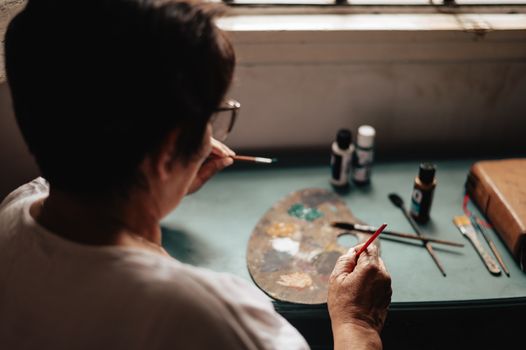
A focused adult artist painting with tools and palette in an indoor studio setting. Photo: Patricia Bozan / Pexels
Art therapy, at its core, is a specialized form of psychotherapy that integrates creative processes and psychological theory to improve and enhance mental, emotional, and physical well-being. Far from being a mere art class, it's a therapeutic discipline led by credentialed art therapists who are trained in both art and psychology. For adults, the benefits of art therapy are particularly profound, offering a unique avenue for self-exploration and healing that traditional talk therapy might not always reach. Many adults grapple with the challenge of articulating complex emotions or traumatic experiences verbally. Art therapy provides a non-verbal language, allowing individuals to externalize inner turmoil, anxieties, and unexpressed feelings through visual metaphors and symbols. This process of creation can be incredibly cathartic, offering a safe and controlled space to explore difficult subjects without the pressure of finding the 'right words.' The therapeutic relationship between the client and the art therapist is central to its effectiveness. The therapist acts as a facilitator, guiding the individual through the creative process and helping them interpret the meaning within their artwork. This interpretation isn't about artistic merit; it's about understanding the personal significance of colors, shapes, forms, and imagery. For instance, an adult struggling with anxiety might repeatedly use dark, confined spaces in their drawings, which the therapist can help them explore as representations of their feelings of being trapped or overwhelmed. By giving form to these internal states, individuals gain a new perspective, making abstract feelings more concrete and manageable. This externalization can reduce the intensity of emotional distress and provide a sense of control over overwhelming emotions. It’s a powerful tool for those who feel disconnected from their emotions or find it challenging to connect with others through verbal communication alone. Moreover, art therapy can be particularly effective for adults who have experienced trauma, as the act of creation can help process memories and emotions that are too painful to confront directly. The distance provided by the artwork allows for a safer engagement with difficult content, fostering a sense of mastery and resolution. The tactile experience of working with various materials also engages different parts of the brain, promoting holistic healing and often leading to breakthroughs that verbal therapy alone might not achieve. It taps into primal forms of communication that predate language, making it accessible and impactful for a wide range of individuals, regardless of their artistic skill or prior experience. Explore the diverse applications of creative arts in healing, beyond just painting and drawing, to understand the breadth of its therapeutic potential. This foundational understanding sets the stage for appreciating the deeper psychological and emotional benefits that art therapy brings to adult lives, offering a pathway to improved mental health and resilience.

Cultivating Emotional Healing and Stress Reduction Through Art
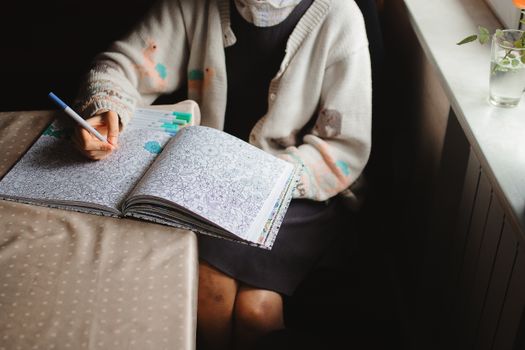
Adult woman coloring intricate designs in a book by a window Photo: Alina Levkovich / Pexels
One of the most widely recognized benefits of art therapy for adults is its profound capacity for emotional healing and significant stress reduction. In our fast-paced, often demanding adult lives, stress and emotional burdens can accumulate, leading to burnout, anxiety, and even depression. Art therapy offers a unique sanctuary, a space where the act of creation itself becomes a meditative and restorative practice. The focus shifts from the external pressures and internal anxieties to the present moment, to the tactile sensations of paint on canvas, clay in hand, or the rustle of paper. This mindful engagement can effectively interrupt the cycle of ruminative thoughts, providing a much-needed mental break and fostering a sense of calm. Beyond mere distraction, art therapy facilitates emotional processing. Many adults bottle up emotions, fearing judgment or lacking appropriate outlets. Art provides a non-judgmental medium through which these suppressed feelings can emerge. Whether it's anger expressed through vigorous strokes and bold colors, sadness depicted in muted tones, or joy captured in vibrant, flowing forms, the artwork becomes a container for these emotions. Once externalized, these feelings can be observed, acknowledged, and understood from a new perspective. This act of 'seeing' one's emotions outside oneself can be incredibly empowering, reducing their overwhelming power and allowing for healthier coping mechanisms to develop. For instance, an adult struggling with chronic stress might create a chaotic, tangled drawing reflecting their internal state. Through discussion with the therapist, they might then be guided to create another piece focusing on order and calm, thereby practicing techniques for self-soothing and emotional regulation. The process itself often lowers cortisol levels, the primary stress hormone, leading to a physiological sense of relaxation and well-being. The therapeutic application of art materials also plays a crucial role. Engaging with different textures, colors, and forms can evoke various sensations and memories, unlocking pathways to deeper emotional understanding. For adults dealing with grief, trauma, or chronic illness, art therapy offers a gentle yet powerful way to navigate complex emotional landscapes. It allows for the expression of feelings that might be too painful or abstract to put into words, such as the nuanced experience of loss or chronic pain. By giving these experiences a visual form, individuals can begin to process them, integrate them into their life narrative, and ultimately move towards healing. The sense of accomplishment derived from creating something, regardless of artistic skill, also boosts self-esteem and provides a tangible representation of resilience and progress. It’s about more than just making art; it’s about making meaning and finding solace in the creative act, leading to lasting emotional well-being and a significant reduction in daily stress levels.

Enhancing Self-Discovery and Communication Skills Through Visual Arts
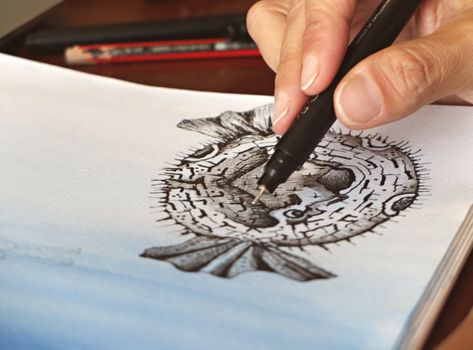
A person skillfully drawing a pufferfish illustration with fine details using a pen. Photo: DΛVΞ GΛRCIΛ / Pexels
The journey of self-discovery is a lifelong endeavor, and for adults, art therapy offers an unparalleled pathway to deeper self-awareness and enhanced communication skills. Often, the intricacies of our inner world remain hidden, even from ourselves, obscured by daily routines, societal expectations, and past experiences. Art therapy provides a mirror, reflecting aspects of our personality, desires, fears, and strengths that might otherwise go unnoticed. Through the act of creating, adults engage in a dialogue with their subconscious, bringing forth insights and understandings that can be transformative. The choices made during the creative process—the colors selected, the forms created, the composition arranged—are not random; they are often symbolic representations of internal states, attitudes, and personal narratives. An art therapist helps to decode these symbols, guiding the individual to connect their artwork to their life experiences and emotional landscape. This process of externalizing internal thoughts and feelings through visual arts not only fosters self-discovery but also significantly improves communication skills. For many adults, articulating complex emotions or experiences, especially those that are deeply personal or painful, can be incredibly challenging. Fear of judgment, inability to find the right words, or a lack of emotional vocabulary can hinder effective communication. Art therapy circumvents these verbal barriers. The artwork itself becomes a starting point for dialogue, a tangible representation that can be discussed, questioned, and explored. Instead of saying, “I feel overwhelmed,” an individual might present a piece of art that visually embodies that feeling, allowing the therapist (and eventually the individual themselves) to ask, “Tell me about this chaos you’ve created,” or “What does this tangled line represent?” This shift from direct verbal confrontation to a discussion mediated by the artwork can be less threatening and more revealing. Furthermore, art therapy can be particularly beneficial for adults struggling with social anxiety, relationship issues, or those who find it difficult to express their needs and boundaries. By practicing self-expression in a safe, therapeutic setting, individuals build confidence in their ability to communicate their inner world. They learn to identify and articulate their emotions more clearly, not just through art but also in their verbal interactions. The insights gained about oneself—one's triggers, coping mechanisms, and core values—translate into more authentic and effective communication in personal and professional relationships. For instance, an adult who consistently struggles with people-pleasing might discover through their art that they are constantly drawing boundaries that are easily permeable. This visual evidence can be a powerful catalyst for change, enabling them to assert themselves more effectively in real-life situations. The creative process itself also encourages problem-solving and decision-making, skills that are directly transferable to improving interpersonal communication. Discover how various forms of artistic expression contribute to personal growth, reinforcing the idea that art is not just for pleasure but a vital tool for human development. By engaging with visual arts, adults don't just make art; they make themselves, fostering a richer, more communicative, and self-aware existence.

Practical Tips for Integrating Art Therapy into Your Adult Life
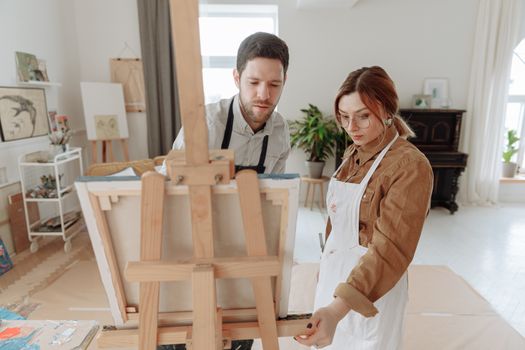
Man and woman collaborating on a painting in a bright art studio with an easel. Photo: Thirdman / Pexels
Integrating the benefits of art therapy into your adult life doesn't always require formal sessions, although professional guidance is highly recommended for deeper therapeutic work. There are several practical tips you can adopt to incorporate creative expression into your routine, enhancing your mental and emotional well-being. First and foremost, remember that the goal is not to create a masterpiece, but to engage in the process of creation. Release the pressure of perfection and embrace the freedom of expression. Here are some actionable tips: * **Start Small and Simple:** You don't need elaborate art supplies. A simple sketchbook and a set of pencils, crayons, or even just a pen can be enough to begin. Try daily journaling through doodles, abstract shapes, or quick sketches to capture your mood. * **Dedicate a 'Creative Space' and Time:** Designate a small corner in your home as your creative zone, even if it's just a clear spot on your kitchen table. Set aside 15-30 minutes a few times a week. Consistency is more important than duration. * **Experiment with Different Materials:** Don't limit yourself. Try painting with watercolors, sculpting with air-dry clay, making collages from old magazines, or even finger painting. Different materials evoke different sensations and can unlock varied forms of expression. * **Focus on the Process, Not the Product:** Let go of judgment about your artistic ability. The value lies in the act of creating, the exploration of materials, and the expression of your inner world. There's no 'right' or 'wrong' way to make art in this context. * **Reflect on Your Creations:** After you've finished a piece, take a moment to look at it. What emotions does it evoke? What colors did you choose and why? Does it remind you of anything? This self-reflection is a crucial part of the therapeutic benefit. * **Join a Community Class (Non-Therapeutic):** If formal therapy isn't an option, consider a local community art class. While not art therapy, it provides a structured environment for creative expression and can be a great way to relieve stress and connect with others. * **Mindful Coloring Books:** For a low-pressure entry point, high-quality adult coloring books can be a wonderful way to practice mindfulness and reduce stress, engaging your creative side without the pressure of invention. * **Seek Professional Guidance When Needed:** If you are dealing with significant emotional challenges, trauma, or mental health concerns, seeking a credentialed art therapist is paramount. They can provide the expert guidance and clinical framework necessary for deep therapeutic work. Do not attempt to self-diagnose or self-treat serious conditions through art alone. The therapist’s role in facilitating interpretation and integration of insights is invaluable. By embracing these tips, adults can harness the powerful benefits of art therapy, fostering greater emotional resilience, self-awareness, and overall well-being in their daily lives. It's an accessible and enriching path to personal growth.

Comparison

FeatureArt Therapy (Professional)Self-Guided ArtTalk Therapy OnlyMeditation
Emotional Processing DepthHighMediumHighMedium
Non-Verbal Expression
Requires Artistic Skill
Professional Interpretation
Trauma ProcessingLimitedLimited
Hands-On Engagement
Boosts Self-Esteem

What Readers Say

"Art therapy has been a revelation for my anxiety. I used to struggle to put my feelings into words, but with painting, I can express the chaos inside and then work through it. It's truly helped me find a sense of calm."

Sarah J. · Austin, TX

"As an adult dealing with past trauma, I found art therapy incredibly healing. It allowed me to process difficult memories visually, without having to relive them verbally. My therapist helped me understand the symbols in my art, leading to significant breakthroughs."

Michael D. · Portland, OR

"After a major life change, I felt lost and disconnected. Art therapy helped me rediscover parts of myself I'd forgotten. Through sculpting, I literally shaped new perspectives, which resulted in me feeling more grounded and confident in my choices."

Emily R. · Chicago, IL

"I was skeptical at first, thinking I wasn't 'artistic' enough. But my therapist assured me it wasn't about skill. While it took a few sessions to really open up, I've found it a valuable complement to my talk therapy, especially for expressing nuanced emotions."

David L. · Boston, MA

"Managing chronic pain often leaves me feeling isolated. Art therapy has given me an outlet to express the invisible pain and frustration. It's a non-verbal way to communicate what I'm going through, and the creative process itself is a powerful distraction and coping mechanism."

Jessica M. · Denver, CO

Frequently Asked Questions

What are the primary benefits of art therapy for adults?

The primary benefits of art therapy for adults include enhanced self-awareness and self-esteem, significant stress and anxiety reduction, processing of trauma and grief, improved emotional regulation, and better communication skills. It offers a unique non-verbal outlet for complex feelings and experiences, leading to holistic healing and personal growth.

Do I need to be artistic or have any art skills to benefit from art therapy?

Absolutely not. One of the common misconceptions about art therapy is that artistic talent is required. The focus is entirely on the process of creation and self-expression, not on producing a aesthetically pleasing artwork. The therapist guides you to explore materials and feelings, making it accessible to everyone, regardless of skill level.

How do I find a qualified art therapist for adults in the US?

To find a qualified art therapist in the US, look for individuals credentialed by the Art Therapy Credentials Board (ATCB). You can search their directory for Board-Certified Art Therapists (ATR-BC). Additionally, professional organizations like the American Art Therapy Association (AATA) provide resources and directories to help you locate licensed professionals in your area.

Is art therapy covered by insurance, and what is the typical cost?

Coverage for art therapy varies widely depending on your insurance provider and plan. Some plans may cover it as a form of mental health treatment if provided by a licensed therapist. It's best to contact your insurance company directly to inquire about coverage. The typical cost per session can range from $75 to $200, similar to other forms of psychotherapy, and some therapists offer sliding scale fees.

How does art therapy compare to traditional talk therapy for adults?

Art therapy complements traditional talk therapy by offering a non-verbal, experiential approach to healing. While talk therapy relies on verbal articulation, art therapy allows for expression through visual and tactile means, which can be particularly effective for processing trauma, deep emotions, or for individuals who struggle with verbalizing feelings. It often provides insights that words alone cannot capture, making it a powerful alternative or adjunct.

Who specifically should consider the benefits of art therapy for adults?

Art therapy is beneficial for a wide range of adults. This includes individuals experiencing stress, anxiety, depression, grief, trauma (PTSD), chronic illness, or those seeking personal growth, self-discovery, and improved communication skills. It's also particularly helpful for those who find verbal expression challenging or prefer a more hands-on, creative approach to healing.

Are there any risks or downsides to engaging in art therapy?

When conducted by a qualified and credentialed art therapist, art therapy is generally safe. The primary 'risk' is that the process can sometimes bring up uncomfortable emotions or memories, as it encourages deep self-exploration. However, a trained therapist is equipped to guide you safely through these experiences, providing support and coping strategies. It's not a substitute for medical treatment for severe mental health conditions, but a complementary therapy.

What are the future trends in the application of art therapy for adults?

Future trends in art therapy for adults include increased integration with digital art platforms and virtual reality for remote sessions and immersive experiences. There's also a growing focus on neuroaesthetics, understanding how art creation impacts brain function. Expect to see more research on its efficacy in specific medical conditions, and a broader recognition of its role in preventative mental health and community wellness programs.

Embrace the transformative power of creativity. Discover the profound benefits of art therapy for adults and embark on a journey of healing, self-discovery, and renewed well-being. Your path to emotional freedom awaits.

Topics: benefits of art therapy for adultscreative expression therapyemotional healing artstress relief art therapyadult mental health art
Leo List
Brampton weed
Adultwork EstrelaBet Vai de Bet R7 Bet Betão Galera Bet Rainbet Bet9ja Shop SportyBet BetKing Sisal Loto Foot Hollywoodbets YesPlay Odibets RushBet Jugabet BetWarrior BetCity MSport betPawa Fortebet