Unlocking Healing: The Profound Benefits of Art Therapy
benefits of art therapy

Unlocking Healing: The Profound Benefits of Art Therapy

Engage your creativity to transform challenges, foster self-discovery, and cultivate profound emotional and psychological well-being.

Discover Your Creative Path

Key Takeaways

  • ✓ Art therapy is a recognized mental health profession using creative processes for healing and self-exploration.
  • ✓ It's effective for all ages and doesn't require artistic talent, focusing on the process, not the product.
  • ✓ Benefits include reduced stress, improved coping skills, enhanced self-esteem, and communication.
  • ✓ Art therapy can address a wide range of issues, from trauma and anxiety to chronic illness and grief.

How It Works

1
Initial Consultation & Assessment

A certified art therapist meets with you to understand your goals, challenges, and preferences. They'll assess your needs to tailor a personalized therapeutic approach.

2
Guided Creative Exploration

You'll engage in various art-making activities (drawing, painting, sculpting, collage) within a safe and supportive environment. The therapist provides prompts and materials.

3
Processing & Reflection

After creating, you'll discuss your artwork and the process with the therapist. This reflection helps uncover emotions, thoughts, and insights, facilitating deeper understanding.

4
Integration & Growth

The insights gained are then integrated into your daily life. Art therapy helps develop new coping mechanisms, communication skills, and a stronger sense of self, leading to lasting positive change.

Understanding Art Therapy and Emotional Well-being
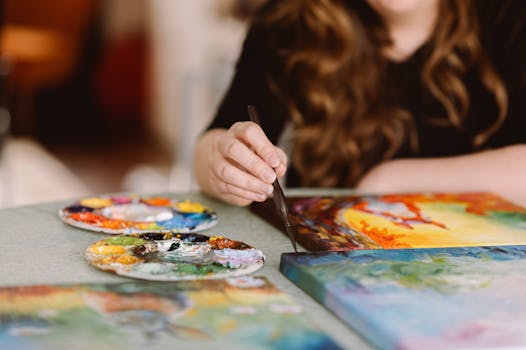
Woman creating art with colorful paint palettes and brushes in a sunlit studio. Photo: Anete Lusina / Pexels
Art therapy, a distinct mental health profession, harnesses the creative process of art-making to improve and enhance the physical, mental, and emotional well-being of individuals of all ages. It's not about creating masterpieces; it's about the journey of self-discovery and expression through visual means. Unlike traditional talk therapy, which primarily relies on verbal communication, art therapy provides an alternative or complementary avenue for individuals to explore complex emotions, thoughts, and experiences that might be difficult to articulate with words alone. This can be particularly powerful for those who struggle with verbal expression due to trauma, developmental challenges, or cultural barriers. The fundamental principle is that the act of creating art can be inherently therapeutic, offering a non-threatening space for introspection and release. When engaging in art-making, individuals often tap into their subconscious, allowing hidden feelings and ideas to surface. The therapist acts as a guide, helping to interpret the symbolism and meaning within the artwork, fostering deeper self-awareness and understanding. This process can lead to significant breakthroughs in managing stress, reducing anxiety, and navigating challenging life transitions. For example, someone struggling with chronic stress might find relief in rhythmically applying paint to a canvas, experiencing a meditative state that calms their nervous system. The visual representation of their stress, perhaps as dark, swirling colors, can then become a starting point for discussion and strategizing coping mechanisms with their therapist. This multimodal approach, combining sensory experience with cognitive processing, makes art therapy a uniquely effective tool for fostering emotional resilience and promoting holistic healing. Moreover, the tactile nature of working with different materials can be grounding, helping individuals to connect with their bodies and be present in the moment, which is a crucial aspect of mindfulness. The creation of something tangible also provides a sense of accomplishment and control, empowering individuals who may feel powerless in other areas of their lives. The therapeutic relationship, built on trust and empathy, is paramount in art therapy, ensuring a safe and non-judgmental environment for exploration. It's in this space that individuals can experiment, make mistakes, and ultimately grow, using art as their personal language for healing. Explore more about the power of creative arts in healing.

Enhancing Communication and Self-Expression Through Art
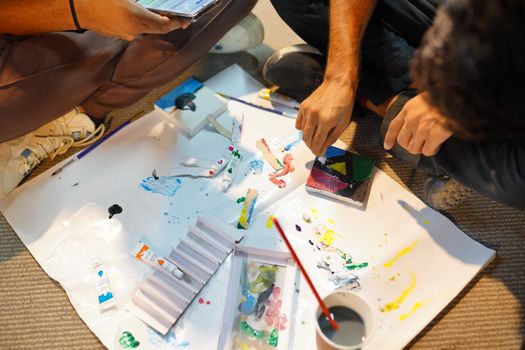
Adults engaged in a hands-on painting workshop, mixing colors and creating art indoors. Photo: Bilal Moazzam / Pexels
One of the most profound benefits of art therapy lies in its ability to enhance communication and self-expression, particularly for those who find verbal articulation challenging. For children, adolescents, and even adults who have experienced trauma, abuse, or significant emotional distress, putting feelings into words can be incredibly difficult, if not impossible. Art provides a universal language, transcending linguistic barriers and allowing individuals to convey complex internal states visually. A child who has witnessed a traumatic event might not be able to recount the details verbally, but through drawing, they might depict dark, stormy scenes or fragmented figures that communicate their inner turmoil. The art therapist can then use these visual cues as a springboard for gentle discussion, helping the child to process their experiences in a safe and controlled manner. Similarly, individuals with autism spectrum disorder or those with communication disorders often find art therapy to be a highly effective medium for expressing their thoughts and feelings, leading to improved social interactions and reduced frustration. The non-verbal nature of art-making can also reduce the pressure associated with finding the 'right' words, encouraging a more uninhibited and authentic expression. This freedom can lead to a deeper understanding of one's own internal landscape. Furthermore, art therapy helps individuals develop a stronger sense of self-identity. By creating and observing their own artistic creations, people gain insight into their unique perspectives, strengths, and challenges. The act of choosing colors, shapes, and textures becomes a reflection of their inner world, offering clues to their personality and emotional state. This process of externalizing internal experiences can be incredibly validating and empowering. It allows individuals to see their emotions, not as overwhelming internal forces, but as manageable entities that can be explored and understood. Moreover, art therapy can facilitate communication within families or groups. When family members engage in collaborative art projects, they learn to negotiate, compromise, and understand each other's perspectives in a creative, non-confrontational setting. This can lead to improved family dynamics and stronger bonds. The shared experience of creating something together can break down communication barriers and foster empathy. The visual narrative created through art often tells a story that words alone cannot capture, providing a rich tapestry of understanding and connection. This enhanced capacity for self-expression extends beyond the therapy room, empowering individuals to communicate more effectively in all aspects of their lives, leading to healthier relationships and a greater sense of personal agency.

Art Therapy for Stress Reduction and Mental Health Challenges

In our fast-paced world, stress, anxiety, and depression have become pervasive mental health challenges. Art therapy offers a powerful and often gentle approach to mitigating these issues, providing a creative outlet for relief and healing. The act of creating art can be deeply meditative, engaging the brain in a way that shifts focus from anxious thoughts or ruminations to the present moment. This mindful engagement can lower cortisol levels, reduce heart rate, and promote a sense of calm. For individuals experiencing chronic stress, the repetitive motions involved in certain art forms, such as drawing patterns, knitting, or sculpting, can act as a form of active meditation, providing a much-needed respite from mental chatter. This allows the nervous system to regulate, leading to a profound sense of relaxation and peace. Beyond immediate stress relief, art therapy also equips individuals with effective coping mechanisms for managing ongoing anxiety and depressive symptoms. By externalizing their feelings through art, individuals can gain a sense of control over their internal experiences. For instance, someone struggling with anxiety might draw or paint their anxious feelings, giving them a form and a boundary. This visualization can make overwhelming emotions feel more manageable and less abstract. The therapist can then guide them to explore these artistic representations, helping them to identify triggers, develop strategies for confronting their fears, and ultimately reframe negative thought patterns. For depression, art therapy can combat feelings of hopelessness and apathy by providing a sense of purpose and achievement. The completion of an art project, no matter how small, can boost self-esteem and provide a tangible representation of one's capacity for creation and resilience. It can also serve as a non-verbal narrative for difficult emotions, allowing individuals to express sadness, anger, or despair in a way that feels safe and contained. The process of choosing colors and materials, and then shaping them into a personal expression, can be incredibly empowering, reminding individuals of their innate capacity for agency and self-healing. Furthermore, art therapy is often used in conjunction with other therapeutic modalities, enhancing their effectiveness. It provides a bridge between the cognitive insights gained in talk therapy and the emotional processing that can be difficult to access through words alone. By engaging both hemispheres of the brain – the logical and the creative – art therapy fosters a more integrated and holistic approach to mental health. This comprehensive engagement helps individuals to not only understand their challenges but also to actively work through them, leading to sustainable improvements in their mental well-being. Discover how various art forms contribute to mental well-being.

Practical Tips for Exploring the Benefits of Art Therapy

Embarking on the journey of art therapy can be a transformative experience, and there are several practical steps you can take to maximize its benefits, whether you're working with a therapist or exploring creative expression independently. Firstly, prioritize finding a qualified and credentialed art therapist. Look for individuals with ATR-BC (Registered Art Therapist – Board Certified) credentials, ensuring they have met rigorous educational and clinical standards. A good therapist will create a safe, non-judgmental space and guide you through the process, helping you interpret your creations in a way that fosters insight and healing. Don't be afraid to interview a few therapists to find someone whose approach resonates with you. Secondly, approach the art-making process with an open mind and let go of expectations about artistic skill. Art therapy is not about producing aesthetically pleasing art; it's about the process of creation and self-expression. Embrace imperfections and focus on what feels authentic to you. Allow yourself to experiment with different materials – paints, clay, pastels, collage – to discover what mediums best help you express your inner world. Sometimes, a simple doodle can reveal profound insights. Thirdly, maintain a reflective practice. After each art-making session, take time to reflect on your creation. Ask yourself: What emotions did I feel while creating this? What does this image represent to me? Are there any recurring symbols or themes? Journaling alongside your art can be incredibly beneficial, providing a written record of your thoughts and feelings that complements your visual expressions. This dual approach can deepen your understanding and track your emotional progress over time. Lastly, integrate art-making into your daily routine, even in small ways. This doesn't mean becoming a full-time artist, but rather finding moments for creative expression that support your well-being. This could be sketching for 15 minutes before bed, creating a vision board, or simply doodling during a stressful meeting. Consistent engagement, even in short bursts, can reinforce the therapeutic benefits and help you cultivate a more mindful and expressive life. Remember, the journey of healing through art is personal and unique to each individual. Embrace the process, be patient with yourself, and allow the power of creative expression to guide you towards greater self-awareness and emotional resilience. **Tips for Maximizing Your Art Therapy Experience:** * **Find a Certified Therapist:** Seek ATR-BC professionals for expert guidance. * **Embrace the Process, Not the Product:** Focus on expression, not artistic perfection. * **Experiment with Materials:** Explore various mediums to find what resonates. * **Reflect and Journal:** Document your thoughts and feelings alongside your art. * **Integrate Creativity Daily:** Incorporate small art-making moments into your routine. * **Be Patient and Kind to Yourself:** Healing is a journey, not a destination.

Comparison

FeatureArt TherapyTraditional Talk TherapyMeditation/Mindfulness
Primary ModalityCreative art-makingVerbal communicationFocused attention, awareness
Expression of EmotionsNon-verbal & verbalPrimarily verbalInternal observation
Access to Subconscious✗ (less direct)
Requires Artistic SkillN/AN/A
Tangible OutcomeArt creationVerbal insightsMental clarity, calm
Best for TraumaHighly effectiveEffective (may be challenging for some)Supportive (less direct processing)

What Readers Say

"Art therapy helped me process grief in a way words never could. My therapist was so understanding, and painting allowed me to express feelings I didn't even know I had. It was truly a transformative experience."

Sarah J. · Austin, TX

"As someone who struggles with anxiety, I found art therapy incredibly grounding. The act of creating, without judgment, became my sanctuary. It taught me new coping mechanisms I use daily."

Michael D. · Seattle, WA

"After my sessions, I noticed a significant reduction in my stress levels and a clearer understanding of my emotional triggers. My art therapist helped me visualize my challenges and literally paint a path forward, resulting in a much calmer and more focused outlook on life."

Emily R. · Denver, CO

"I was skeptical at first, not being artistic, but the freedom to just create without pressure was surprisingly liberating. While it didn't solve everything overnight, it definitely opened up new avenues for self-reflection and emotional release."

David L. · Portland, OR

"My son, who has difficulty expressing himself verbally, absolutely thrived in art therapy. His therapist was amazing, and we saw a remarkable improvement in his communication skills and overall emotional regulation at home and at school. It's been a game-changer for our family."

Jessica M. · New York, NY

Frequently Asked Questions

What kind of art do you do in art therapy?

Art therapy involves a wide range of art forms, including drawing, painting, sculpting with clay, collage, printmaking, and even digital art. The specific materials and techniques used depend on the individual's needs, preferences, and therapeutic goals. The focus is always on the process of creation and self-expression, not on artistic skill or producing a 'perfect' piece.

Do I need to be artistic to benefit from art therapy?

Absolutely not. One of the greatest misconceptions about art therapy is that you need artistic talent. The beauty of art therapy lies in its focus on the creative process itself, not the final product. Everyone has the capacity for creative expression, and the therapy is designed to be accessible and beneficial regardless of your artistic background or skill level.

How do I find a qualified art therapist?

To find a qualified art therapist, look for professionals who are registered and board-certified, typically indicated by ATR-BC credentials. You can search directories provided by professional organizations like the American Art Therapy Association (AATA). It's also advisable to seek referrals from healthcare providers or mental health professionals.

Is art therapy covered by insurance, and what is the typical cost?

The coverage for art therapy by insurance varies widely depending on your insurance provider and plan. Many providers are increasingly recognizing it as a legitimate mental health service. It's best to contact your insurance company directly to inquire about coverage. Costs can range from $75 to $200+ per session, depending on location, therapist's experience, and session length.

How does art therapy compare to traditional talk therapy?

While both aim for mental and emotional healing, art therapy offers a non-verbal and experiential approach alongside verbal processing. It can be particularly effective for expressing difficult emotions, trauma, or for those who struggle with verbal communication. Talk therapy relies primarily on verbal dialogue. Often, the two modalities can complement each other, offering a more holistic therapeutic experience.

Who should consider trying art therapy?

Art therapy is beneficial for a diverse range of individuals, including children, adolescents, and adults. It's particularly helpful for those dealing with trauma, anxiety, depression, grief, chronic illness, substance abuse, eating disorders, or communication difficulties. Anyone seeking self-discovery, stress reduction, or alternative forms of emotional expression can benefit.

Are there any risks or downsides to art therapy?

When conducted by a qualified and ethical art therapist, there are minimal risks. Occasionally, the art-making process might bring up intense emotions or memories, but a trained therapist is equipped to help you process these safely within the session. It's crucial to ensure your therapist is credentialed to handle such emotional responses effectively.

What are the emerging trends in the field of art therapy?

Emerging trends in art therapy include the integration of digital art tools and virtual reality for therapeutic purposes, increased focus on neurodiversity-affirming practices, and a growing emphasis on community-based art therapy initiatives. There's also a rising interest in art therapy for chronic pain management and its application in corporate wellness programs to reduce workplace stress.

Embrace the transformative power of creative expression. Explore the myriad benefits of art therapy and embark on a journey of self-discovery, healing, and profound emotional growth. Your path to well-being might just begin with a brushstroke or a lump of clay.

Topics: benefits of art therapyart as healingcreative expression therapyemotional well-being artmental health art therapy
Leo List
Brampton weed
Adultwork