✓ The US boasts over 300 institutions offering art degrees.
✓ Portfolio submission is critical for admission to top art schools.
✓ Specialized programs like animation, fashion, and industrial design are highly sought after.
✓ Networking and internships during art school significantly impact career prospects.
How It Works
1
Define Your Artistic Path
Before searching, identify your primary artistic interests (e.g., painting, digital art, fashion design). This focus will help narrow down schools with specialized programs.
2
Research Accreditation & Reputation
Ensure schools are accredited by recognized bodies and have a strong reputation in your chosen field. Look at alumni success stories and faculty expertise.
3
Prepare Your Portfolio
Your portfolio is the most crucial part of your application. Curate your best, most diverse work that showcases your skills and unique artistic voice.
4
Visit & Connect
If possible, visit campuses to experience the culture and facilities firsthand. Attend virtual open houses and connect with current students and faculty.
Navigating the Landscape of Top Art Colleges in America
Photo: Pavel Danilyuk / Pexels
Choosing an art school is a pivotal decision that can shape your entire creative trajectory. The United States is a global hub for artistic education, offering an unparalleled diversity of programs, philosophies, and environments. From bustling urban campuses steeped in contemporary art trends to serene rural settings fostering intense focus, the options are vast. Understanding this landscape begins with recognizing the different types of institutions available. You'll encounter large universities with dedicated art departments, independent art and design colleges, and conservatories specializing in specific disciplines like music or performing arts, although our focus here remains on visual and applied arts. Each type of institution offers a distinct experience, influencing everything from class sizes and faculty access to the breadth of extracurricular activities and potential for interdisciplinary studies. For example, a large university might offer the chance to minor in business alongside a fine arts major, providing a broader academic foundation. In contrast, an independent art college will often provide a more immersive, specialized artistic environment with a higher concentration of art-focused resources and peer collaboration. The faculty at these top art colleges in America are often practicing artists, designers, and critics, bringing real-world experience and industry connections directly into the classroom. Their guidance is invaluable, offering insights into professional practices, exhibition opportunities, and networking within the art world. Furthermore, the alumni networks of these esteemed institutions are incredibly powerful, providing mentorship, job opportunities, and a sense of community long after graduation. When beginning your search, it's essential to consider not just the school's overall ranking, but its specific strengths in your chosen area. A school renowned for its industrial design program might not be the best fit if your passion lies in classical painting. Delving into program curricula, faculty bios, and student work examples will provide a clearer picture of whether a school aligns with your artistic aspirations and learning style. Remember, the 'best' school is ultimately the one that best supports your individual growth as an artist. Exploring institutions like the Rhode Island School of Design or the School of the Art Institute of Chicago reveals diverse pedagogical approaches, from intensely structured foundational programs to more experimental, self-directed learning environments. Location also plays a significant role; studying in a city like New York or Los Angeles offers immediate access to galleries, museums, and industry opportunities, while schools in smaller cities might provide a more focused, less distracting environment. Researching the vibrant arts culture of different regions can also inform your decision.
Key Factors for Choosing the Right Fine Arts Degree in US
Photo: Anastasia Shuraeva / Pexels
Selecting the ideal institution for a fine arts degree in the US involves a multi-faceted evaluation process beyond just reputation. One of the most critical aspects is the specific programs and specializations offered. Do they align with your artistic interests, whether that's painting, sculpture, photography, graphic design, illustration, animation, fashion design, or something more interdisciplinary? Look for robust curricula that combine foundational skills with opportunities for advanced exploration and specialization. A strong program will often feature a balance of studio courses, art history, critical theory, and professional practice. The faculty's expertise and teaching philosophy are equally vital. Are the professors actively engaged in their fields, exhibiting their work, and publishing research? Do they offer diverse perspectives and mentorship opportunities? Reviewing faculty portfolios and reading about their pedagogical approaches can provide valuable insights. The student-to-faculty ratio is another important consideration, as it often dictates the amount of personalized attention and feedback you'll receive. Smaller class sizes can foster a more intimate learning environment, allowing for deeper critiques and individualized guidance. Facilities and resources are also paramount for any aspiring artist. Does the school boast state-of-the-art studios, workshops, digital labs, galleries, and exhibition spaces? Access to specialized equipment, such as printmaking presses, darkrooms, ceramic kilns, or advanced computer software, can significantly enhance your learning experience and allow you to experiment with various mediums. Furthermore, consider the school's campus culture and community. Does it feel like a place where you can thrive creatively and personally? Look for a vibrant artistic community, student organizations, guest lecturer series, and opportunities for collaboration with peers across different disciplines. Some schools foster a highly competitive environment, while others emphasize collaboration and experimentation. Understanding the prevailing ethos will help you determine if it's a good cultural fit. Finally, career services and alumni success rates are crucial indicators of a program's effectiveness. Does the school offer strong career counseling, internship placement assistance, and networking events? What do alumni go on to do after graduation? Many top programs boast impressive alumni who have become successful artists, designers, educators, and creative professionals, demonstrating the value of their education. For instance, institutions known for their strong industry connections, like Parsons School of Design or California Institute of the Arts (CalArts), often have graduates who quickly find their footing in their respective fields.
The Application Process: Crafting a Winning Portfolio for US Art Schools
Photo: www.kaboompics.com / Pexels
The application process for art education in the United States, particularly for its most prestigious institutions, hinges significantly on one crucial element: your portfolio. Unlike traditional academic applications where grades and test scores might dominate, art schools prioritize seeing your creative potential, technical skill, and unique artistic voice through your work. A strong portfolio isn't just a collection of your best pieces; it's a narrative that tells admissions committees who you are as an artist and what you're capable of. Typically, a portfolio will consist of 10-20 pieces, but this can vary by school and program. These pieces should demonstrate a range of skills, mediums, and conceptual approaches. It's often recommended to include both observational work (like still life drawings or figure studies) to showcase fundamental skills, alongside more imaginative or experimental pieces that reveal your personal vision and willingness to take risks. Many schools also appreciate seeing process work – sketches, mock-ups, or preliminary studies – which illustrate your thought process and problem-solving abilities. Pay close attention to each school's specific portfolio requirements. Some may ask for work in particular mediums, while others might provide prompts or challenges. Tailoring your portfolio to each application, even if it means swapping out a few pieces, can significantly increase your chances of acceptance. Quality over quantity is a golden rule; it’s better to submit fewer, exceptional pieces than many mediocre ones. Beyond the artwork itself, the presentation of your portfolio is vital. Most schools now require digital portfolios, often submitted through platforms like SlideRoom. Ensure your images are high-resolution, well-lit, and accurately represent your work. Include clear titles, dimensions, and brief descriptions for each piece. Your artist statement is another critical component. This short essay provides context for your work, explains your motivations, influences, and artistic philosophy. It's your chance to articulate your creative journey and demonstrate critical thinking. Be honest, reflective, and concise. Finally, don't underestimate the importance of supplemental materials like letters of recommendation, transcripts, and essays. While the portfolio is king, these elements round out your application, providing a holistic view of you as a student and an individual. Seeking feedback on your portfolio from art teachers, mentors, or even current art students can provide invaluable perspectives before submission. Remember, the goal is to present a cohesive, compelling body of work that truly represents your potential. Institutions like Pratt Institute or California College of the Arts are known for their rigorous portfolio reviews, so investing time and effort here is paramount. For more specific guidance on refining your artistic expression, consider exploring resources on art techniques.
Maximizing Your Art School Experience: Tips and Common Pitfalls
Photo: Tima Miroshnichenko / Pexels
Once admitted to one of the best art schools in USA, the journey truly begins. To maximize your experience, active engagement is key. Don't just attend classes; participate in critiques, ask questions, and seek out opportunities for growth. Here are some tips to make the most of your art school years and pitfalls to avoid:
**Tips for Success:**
* **Embrace Critique:** View critiques not as judgment, but as invaluable learning opportunities. Listen actively, be open to different perspectives, and use feedback to refine your work. It's a cornerstone of artistic development.
* **Network Relentlessly:** Connect with faculty, guest artists, and especially your peers. Your classmates will be your future collaborators, colleagues, and support system. Attend gallery openings, workshops, and school events.
* **Experiment Fearlessly:** Art school is the perfect environment to push your boundaries, try new mediums, and explore unconventional ideas. Don't be afraid to fail; often, the most significant breakthroughs come from experiments that didn't go as planned.
* **Utilize Resources:** Take advantage of every resource available – the library, material labs, career services, mental health support, and student organizations. These are all part of your tuition and designed to help you succeed.
* **Internships & Residencies:** Seek out internships and summer residencies. These provide real-world experience, build your professional network, and can often lead to job opportunities after graduation.
* **Develop Professional Practices:** Learn how to document your work professionally, write artist statements, craft a CV, and understand the business side of art. This knowledge is crucial for a sustainable artistic career.
**Common Pitfalls to Avoid:**
* **Isolation:** Don't retreat into your own world. Art is often a collaborative and community-driven field. Engage with others, share ideas, and build relationships.
* **Ignoring Non-Studio Courses:** While studio work is paramount, art history, theory, and writing courses provide critical context, broaden your perspective, and improve your communication skills.
* **Perfectionism Over Progress:** Striving for perfection can stifle creativity and lead to procrastination. Focus on consistent effort, learning from mistakes, and completing projects, even if they're not 'perfect'.
* **Neglecting Self-Care:** Art school can be intense and demanding. Burnout is real. Prioritize sleep, healthy eating, exercise, and mental well-being to sustain your creative energy.
* **Comparing Yourself to Others:** Everyone's artistic journey is unique. Focus on your own growth and development rather than constantly comparing your work or progress to your peers.
By actively engaging with your education and avoiding these common traps, you'll be well-positioned to not only survive but truly thrive in art school and beyond.
Comparison
Feature
RISD (Rhode Island School of Design)
SAIC (School of the Art Institute of Chicago)
Pratt Institute
Location
Providence, RI
Chicago, IL
Brooklyn, NY
Focus
Rigorous foundational studies, interdisciplinary
Experimental, conceptual, broad range
Design-focused, professional practice
Student Body Size
Approx. 2,500
Approx. 3,500
Approx. 5,000
Alumni Network
Strong, industry-leading
Influential in contemporary art
Robust in design & architecture
Unique Aspect
Brown University partnership
Museum access (Art Institute of Chicago)
Stunning campus architecture
What Readers Say
★★★★★
"Attending CalArts was transformative. The faculty pushed me to explore animation in ways I never imagined, and the collaborative environment truly fostered my unique style. I landed my dream job at a major studio right after graduation."
Sarah Chen · Los Angeles, CA
★★★★★
"Parsons School of Design provided an incredible foundation in fashion design. The connections I made with professors and industry professionals were invaluable. Their career services helped me secure an internship that turned into a full-time position."
Marcus Innovations · New York, NY
★★★★★
"SAIC's experimental approach was exactly what I needed. I felt empowered to explore conceptual art without boundaries, leading to my work being featured in a local gallery. The museum access was an unparalleled resource."
Emily Rodriguez · Chicago, IL
★★★★★
"RISD's foundational year was incredibly challenging but ultimately made me a much stronger artist. While demanding, the depth of learning and the quality of the facilities were exceptional. I wish there were more interdisciplinary options with Brown for my specific niche."
David Lee · Providence, RI
★★★★★
"CCA offered a fantastic balance of technical skill building and creative freedom in my graphic design program. The location in the Bay Area provided amazing opportunities for internships and connecting with the tech and design community."
Jessica Kim · San Francisco, CA
Frequently Asked Questions
What is the most important factor for admission to the best art schools in USA?
The most important factor for admission to top art schools in the USA is almost universally your portfolio. It showcases your artistic talent, technical skills, creativity, and potential for growth, often outweighing academic transcripts or test scores.
Are art degrees from less prestigious schools worth it?
Yes, absolutely. While prestigious schools offer great opportunities, many excellent art programs exist at smaller, lesser-known institutions. The value of an art degree comes from the skills you acquire, the portfolio you build, and the network you cultivate, regardless of the school's ranking. Focus on program fit and faculty expertise.
How do I build a strong art portfolio for college applications?
To build a strong portfolio, include a diverse range of your best work (10-20 pieces), showcasing both observational skills and creative expression. Follow each school's specific requirements, ensure high-quality digital images, and write a compelling artist statement that explains your work and artistic vision.
How much does art school cost in the US, and is it worth the investment?
The cost of art school in the US varies widely, from $20,000 to over $70,000 annually, depending on whether it's a public or private institution and its location. Whether it's 'worth it' depends on individual career goals, financial aid opportunities, and how actively you engage with the education to build a professional network and strong portfolio.
How do independent art schools differ from university art departments?
Independent art schools typically offer a more focused, immersive artistic environment with higher concentrations of specialized studios and art-specific resources. University art departments, while still strong, are part of a larger academic institution, often allowing for broader interdisciplinary studies and a more traditional college experience.
Who should consider attending one of the best art schools in USA?
Aspiring artists, designers, illustrators, animators, photographers, and creative professionals who are serious about honing their craft, developing a strong professional portfolio, and building a network within the art and design industries should consider attending one of the best art schools in USA.
Is it risky to pursue an art career after graduating from art school?
Like many creative fields, an art career requires dedication, resilience, and often entrepreneurial spirit. While there's no guaranteed path, a strong art education equips you with critical thinking, problem-solving, and technical skills that are valuable across many industries, not just fine art. Networking and professional practice learned in school significantly mitigate risk.
What are the future trends in art education in the US?
Future trends in art education in the US include increased integration of technology (AI, VR/AR, digital fabrication), greater emphasis on interdisciplinary studies, a focus on social impact and sustainability in design, and more flexible learning models including online and hybrid programs, preparing students for evolving creative industries.
Embarking on an artistic journey is an exciting prospect, and choosing the right institution is your first masterpiece. Utilize this guide to explore the best art schools in USA, find your perfect match, and confidently step towards a vibrant and fulfilling creative career. Your future in art awaits!

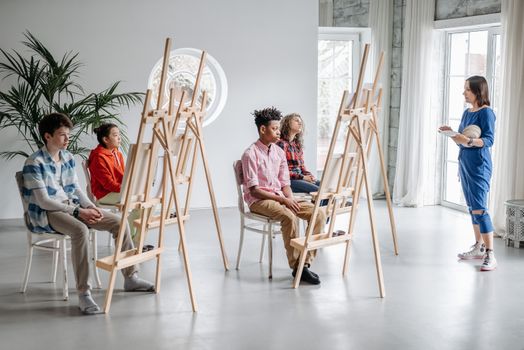 Photo: Pavel Danilyuk / Pexels
 Photo: Anastasia Shuraeva / Pexels
 Photo: www.kaboompics.com / Pexels
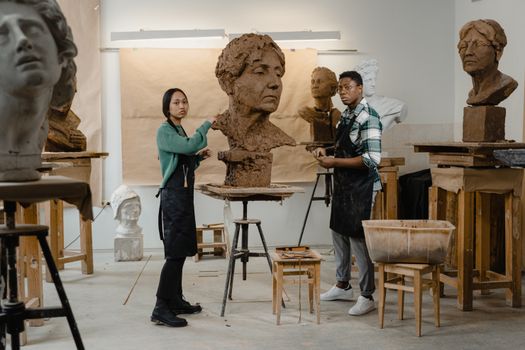 Photo: Tima Miroshnichenko / Pexels