✓ A well-chosen beginner kit reduces frustration and fosters creativity.
✓ Quality over quantity is crucial for initial art supplies.
✓ Understanding different mediums helps in selecting the right tools.
✓ Experimentation is key to discovering your preferred artistic style.
How It Works
1
Assess Your Interests
Consider what type of art you're drawn to – drawing, painting, or mixed media. This helps narrow down the vast array of available supplies.
2
Prioritize Core Essentials
Focus on fundamental tools that are versatile and forgiving for beginners. Avoid specialty items until you've established your basic skills.
3
Invest in Quality Basics
Opt for student-grade or entry-level professional supplies over cheap, toy-grade options. Better quality materials lead to better results and a more enjoyable experience.
4
Expand Gradually
Once comfortable with your initial kit, slowly add new mediums or specific tools as your skills and interests evolve. This prevents overwhelm and unnecessary expense.
Understanding Essential Art Materials for Beginners
Photo: cottonbro studio / Pexels
Embarking on an artistic journey is an exciting prospect, but the sheer volume of art supplies available can be overwhelming for a novice. The key to a successful start lies in assembling a thoughtful art supplies for beginners kit. This isn't about buying everything under the sun; instead, it's about selecting fundamental, versatile tools that allow for experimentation without breaking the bank or causing frustration. Think of your first kit as a foundational toolbox, designed to help you explore different techniques and discover your preferred mediums.
Many beginners make the mistake of either buying the cheapest, lowest-quality supplies, which can lead to poor results and discouragement, or investing in expensive professional-grade materials they don't yet know how to utilize effectively. The sweet spot is often student-grade or entry-level artist quality. These products offer a good balance of pigment quality, durability, and affordability, providing a much better experience than craft-store children's sets without the hefty price tag of professional lines. For instance, a student-grade watercolor set will have more vibrant pigments and better lightfastness than a toy set, making your initial attempts more rewarding. Similarly, a decent set of graphite pencils will offer a wider range of hardness and smoother application than a generic pencil.
Your beginner kit should ideally cover a few core categories: drawing, painting, and basic accessories. For drawing, this means a selection of graphite pencils, charcoal, and perhaps some colored pencils. For painting, watercolors or acrylics are excellent starting points due to their versatility and relatively easy cleanup. Beyond the mediums themselves, don't forget the supporting cast: good quality paper, brushes, erasers, and sharpeners are just as crucial. These seemingly minor items can significantly impact your artistic process and the final outcome of your work. For example, using the right paper for watercolors prevents buckling and allows for better color blending. A kneaded eraser, unlike a standard rubber eraser, can lift graphite without smudging, preserving the integrity of your drawing.
Choosing the right components for your art supplies for beginners kit is a personal journey, but starting with a solid foundation ensures you have the tools to learn and grow. It's about empowering yourself to create, to experiment, and to find joy in the process, rather than being bogged down by unsuitable materials. Consider what kind of art you envision creating. Are you drawn to intricate line work, bold strokes of color, or perhaps a blend of both? Your initial inclinations can guide your choices, though it's perfectly fine to explore multiple avenues at first. Remember, the goal is to foster creativity, not to achieve perfection on your first try. For more detailed insights into specific mediums, you might find our guide on choosing your first painting medium helpful.
Building Your First Drawing and Sketching Kit
Photo: Antoni Shkraba / AI25.studio / Pexels
Drawing and sketching form the backbone of many artistic disciplines, making a dedicated drawing component a fundamental part of any art supplies for beginners kit. It’s where ideas are born, compositions are planned, and observational skills are honed. For a beginner, simplicity and versatility are paramount. You don't need dozens of pencils; a carefully selected few will serve you far better.
Start with a good set of graphite pencils. A basic set usually includes pencils ranging from hard (H) to soft (B). A common starter range might include 2H, HB, 2B, 4B, and 6B. The 'H' pencils are harder and produce lighter, finer lines, ideal for initial sketches and detailed work. 'B' pencils are softer, darker, and smudge more easily, perfect for shading and creating rich blacks. The HB pencil is a versatile middle-ground, similar to a standard writing pencil. Having this range allows you to explore different tonal values and line weights, which are crucial for creating depth and dimension in your drawings.
Beyond graphite, consider adding a few sticks of charcoal. Vine charcoal is very soft and easily erasable, making it excellent for large, expressive gestures and quick studies. Compressed charcoal, on the other hand, provides intense darks and is great for adding dramatic contrast. A white charcoal pencil can also be a fantastic addition for highlights on toned paper.
No drawing kit is complete without the right paper. Avoid flimsy printer paper; it buckles easily and doesn't hold up to erasing or layering. Look for sketchbooks or pads with a weight of at least 60lb (100gsm) for general sketching. If you plan to use ink or light washes, opt for heavier paper, around 90lb (150gsm) or more. The texture, or 'tooth,' of the paper also matters. Smoother paper is good for fine details, while paper with more tooth can hold graphite and charcoal better, allowing for richer textures and shading.
Essential accessories include a kneaded eraser, a vinyl eraser, and a good quality pencil sharpener. The kneaded eraser is invaluable for lifting graphite gently without damaging the paper or creating crumbs, and it can be molded into various shapes for precise erasing. A vinyl eraser is more effective for completely removing lines. A sharpener that consistently produces a fine point without breaking the lead is also crucial for maintaining precision. Some artists also find a blending stump or tortillon useful for smoothing out graphite and charcoal, though fingers work too! These elements, when combined, create a robust drawing foundation within your art supplies for beginners kit, enabling you to practice fundamental skills and develop your unique drawing style.
Selecting Your First Painting Mediums and Tools
Photo: Luis Quintero / Pexels
Once you've established a solid foundation in drawing, venturing into painting is the next exciting step in your artistic journey. For an art supplies for beginners kit, the choice of painting medium often comes down to watercolors or acrylics, both offering unique advantages for new artists.
**Watercolors** are renowned for their transparency, luminosity, and portability. They are relatively inexpensive to start with, and cleanup is simple – just water! A basic watercolor set, either pan or tube, with 12-18 colors is usually sufficient. Look for student-grade sets from reputable brands. You'll also need watercolor paper, which is specifically designed to absorb water without buckling. Aim for cold-press paper, at least 140lb (300gsm), as it has a slight texture that's forgiving for beginners and holds water well. For brushes, a round brush (size 6 or 8) and a flat brush (1/2 inch) are excellent starting points for various techniques. A ceramic palette or even an old plate works perfectly for mixing colors. The beauty of watercolors lies in their ability to create delicate washes and vibrant layers, making them ideal for landscapes, botanicals, and illustrative work.
**Acrylics** are another fantastic choice for beginners due to their versatility and quick-drying nature. They can be used thickly like oils or thinned with water to resemble watercolors. This adaptability allows for a wide range of styles and techniques. A starter set of acrylic paints, again in student-grade, with primary colors plus black and white, will give you a broad palette to work with. For surfaces, acrylics are incredibly forgiving – you can paint on canvas, wood, paper (heavier weight, like 90lb or more), or even fabric. Brushes for acrylics should be synthetic, as they are durable and easier to clean. A few different sizes of round and flat brushes will serve you well. A palette knife can also be a fun addition for texture. Cleanup for acrylics is also water-based, making them a less intimidating option than oil paints. Acrylics are perfect for bold, expressive pieces, abstract art, and even decorative projects.
Regardless of the medium you choose, a few general painting accessories are indispensable. A water container (or two, one for rinsing and one for clean water), paper towels or rags for blotting brushes, and a palette for mixing colors are essential. Don't forget an easel, even a simple tabletop one, can improve your posture and perspective. The most important thing is to not be afraid to experiment. Both watercolors and acrylics offer a forgiving learning curve, allowing you to build confidence and explore your creative voice. For further guidance on specific techniques, explore resources on basic painting techniques for beginners.
Common Mistakes and Smart Tips for Your First Art Kit
Photo: olia danilevich / Pexels
Assembling your first art supplies for beginners kit is an exciting step, but it's easy to fall into common pitfalls. Avoiding these can save you money, frustration, and ultimately, help you enjoy your artistic journey more. Here are some mistakes to sidestep and smart tips to embrace:
**Common Mistakes to Avoid:**
* **Buying the cheapest supplies:** While budget-friendly is good, opting for the absolute cheapest, often toy-grade, materials can lead to poor results. Weak pigments, flimsy paper, and poorly constructed brushes can make learning difficult and discourage you. Invest in student-grade quality; it’s a noticeable step up without being professional-level expensive.
* **Overbuying:** It's tempting to buy every color and every type of brush, but this leads to clutter and unused supplies. Start with a core set of primary colors, black, and white for paints, and a small range of graphite pencils. You can always expand later as your needs become clearer.
* **Ignoring paper quality:** The surface you work on is just as important as the medium. Using thin printer paper for watercolors will result in buckling and poor color absorption. Always match your paper to your medium (e.g., watercolor paper for watercolors, heavier drawing paper for charcoal).
* **Neglecting care for tools:** Brushes left uncleaned will harden and become unusable. Pencils without proper sharpening can break easily. Proper care extends the life of your supplies and ensures they perform optimally.
**Smart Tips for Beginners:**
* **Start with a limited palette:** For painting, learning to mix a wide range of colors from a few primaries is a fundamental skill. It deepens your understanding of color theory and saves money.
* **Focus on foundational skills:** Before diving into complex projects, practice basic drawing exercises like lines, shapes, shading, and perspective. These skills are transferable across all mediums.
* **Utilize online resources:** YouTube tutorials, art blogs, and online courses offer a wealth of free and affordable learning opportunities. Watch artists demonstrate techniques and try to replicate them.
* **Experiment fearlessly:** Don't be afraid to make mistakes. Art is a process of discovery. Try different mediums, combine techniques, and see what resonates with you. Your first pieces are for learning, not for perfection.
* **Keep it clean:** A clean workspace and clean tools make for a more pleasant and effective creative session. Have rags, water, and cleaning supplies readily available.
* **Store properly:** Protect your art supplies from dust, light, and extreme temperatures. Store paints upright, keep pencils sharpened, and lay paper flat to prevent warping. Following these simple guidelines will ensure your art supplies for beginners kit serves you well on your creative journey.
Comparison
Feature
Best Option (Beginner)
Alternative 1 (Drawing Focus)
Alternative 2 (Painting Focus)
Primary Medium
Mixed (Graphite & Acrylics)
Graphite & Charcoal
Watercolors
Paper Type
Mixed Media Pad (98lb/160gsm)
Sketchbook (60-90lb/100-150gsm)
Watercolor Paper (140lb/300gsm)
Pencils
Graphite Set (2H-6B)
Graphite Set (2H-8B) + Charcoal
Water-soluble Pencils
Paints
Acrylic Starter Set (12 colors)
✗
Watercolor Pan Set (18 colors)
Brushes
Synthetic Rounds & Flats (3-5 sizes)
✗
Natural/Synthetic Rounds & Flats (3-5 sizes)
Erasers
Kneaded & Vinyl
Kneaded & Vinyl
Kneaded
Cost Range
$40-$70
$25-$50
$35-$65
Versatility
✓
✗
✓
What Readers Say
★★★★★
"This guide helped me pick out my first art supplies for beginners kit, and I'm so glad I didn't just grab the cheapest option. The student-grade acrylics are fantastic, and the paper recommendations made a huge difference in my painting experience."
Sarah J. · Austin, TX
★★★★★
"As a complete novice, I was lost. This article broke down what I actually needed for an art supplies for beginners kit without overwhelming me. My drawing skills have improved so much just by having the right pencils and paper."
Mark T. · Seattle, WA
★★★★★
"I followed the advice for a watercolor-focused art supplies for beginners kit, and my first landscape painting turned out much better than I expected! The quality of the suggested materials truly makes a difference in the final artwork."
Emily R. · Miami, FL
★★★★★
"The tips on avoiding common mistakes were particularly helpful. I almost bought a huge, cheap set, but this guide convinced me to invest in fewer, better quality items for my art supplies for beginners kit. My only minor critique is I wish there were specific brand recommendations."
David L. · Denver, CO
★★★★★
"I'm using my art supplies for beginners kit for art therapy, and having a well-curated set has made the process so much more enjoyable and less stressful. The focus on versatile tools allowed me to explore different emotions through various mediums."
Jessica M. · Chicago, IL
Frequently Asked Questions
What is the absolute most essential item for an art supplies for beginners kit?
While it depends on your chosen medium, a good quality sketchbook and a set of graphite pencils (HB, 2B, 4B) are arguably the most essential. They allow you to practice foundational drawing skills, sketch ideas, and explore compositions without a significant financial investment, forming the core of any art supplies for beginners kit.
Won't buying student-grade supplies limit my artistic potential?
Not at all. For beginners, student-grade supplies offer an excellent balance of quality and affordability. They perform significantly better than craft-store children's sets, allowing you to learn techniques effectively, but aren't as expensive as professional artist-grade materials. Your artistic potential is limited more by practice and exploration than by the initial grade of your supplies.
How do I clean my brushes after using acrylics or watercolors?
For both acrylics and watercolors, immediately after use, rinse your brushes thoroughly in water until all pigment is removed. For acrylics, you might need a mild soap to get rid of stubborn paint. Gently reshape the bristles and let them dry flat or brush-head up to maintain their form. Never let paint dry in your brushes.
Is it worth buying a pre-made art supplies for beginners kit?
Pre-made kits can be convenient, but their quality varies wildly. Often, they contain a large quantity of low-quality items. It's generally more cost-effective and beneficial to curate your own art supplies for beginners kit by selecting individual student-grade items based on your specific interests, as outlined in this guide, ensuring better quality and usability.
Should I start with oil paints as a beginner?
While oil paints offer rich colors and blendability, they are generally not recommended for an art supplies for beginners kit. They have a longer drying time, require specific solvents for cleanup, and can be more expensive. Acrylics or watercolors are much more forgiving and easier to manage for someone just starting out.
Who should use an art supplies for beginners kit?
Anyone looking to explore their creativity, learn new artistic skills, or simply enjoy the process of making art should consider an art supplies for beginners kit. It's perfect for complete novices, those returning to art after a long break, or individuals wanting to try a new medium without a significant upfront investment.
Are there any safety concerns with beginner art supplies?
Most student-grade art supplies are non-toxic and safe for general use. However, always check product labels for safety information, especially if working with children or if you have sensitivities. Ensure good ventilation when using any art materials, and avoid ingesting paints or pigments. Proper cleanup also prevents accidental exposure.
What's the next step after mastering my first art supplies for beginners kit?
After gaining confidence with your initial kit, the next step is to gradually expand your horizons. This could involve trying new mediums (e.g., pastels, inks), investing in higher-grade artist materials for your preferred medium, or exploring specialized tools. Continue to learn, experiment, and find your unique artistic voice.
Armed with the right art supplies for beginners kit, your creative journey is ready to unfold. Don't let uncertainty hold you back; choose your tools wisely, embrace the process, and discover the joy of making art. Start building your kit today and unleash your inner artist!
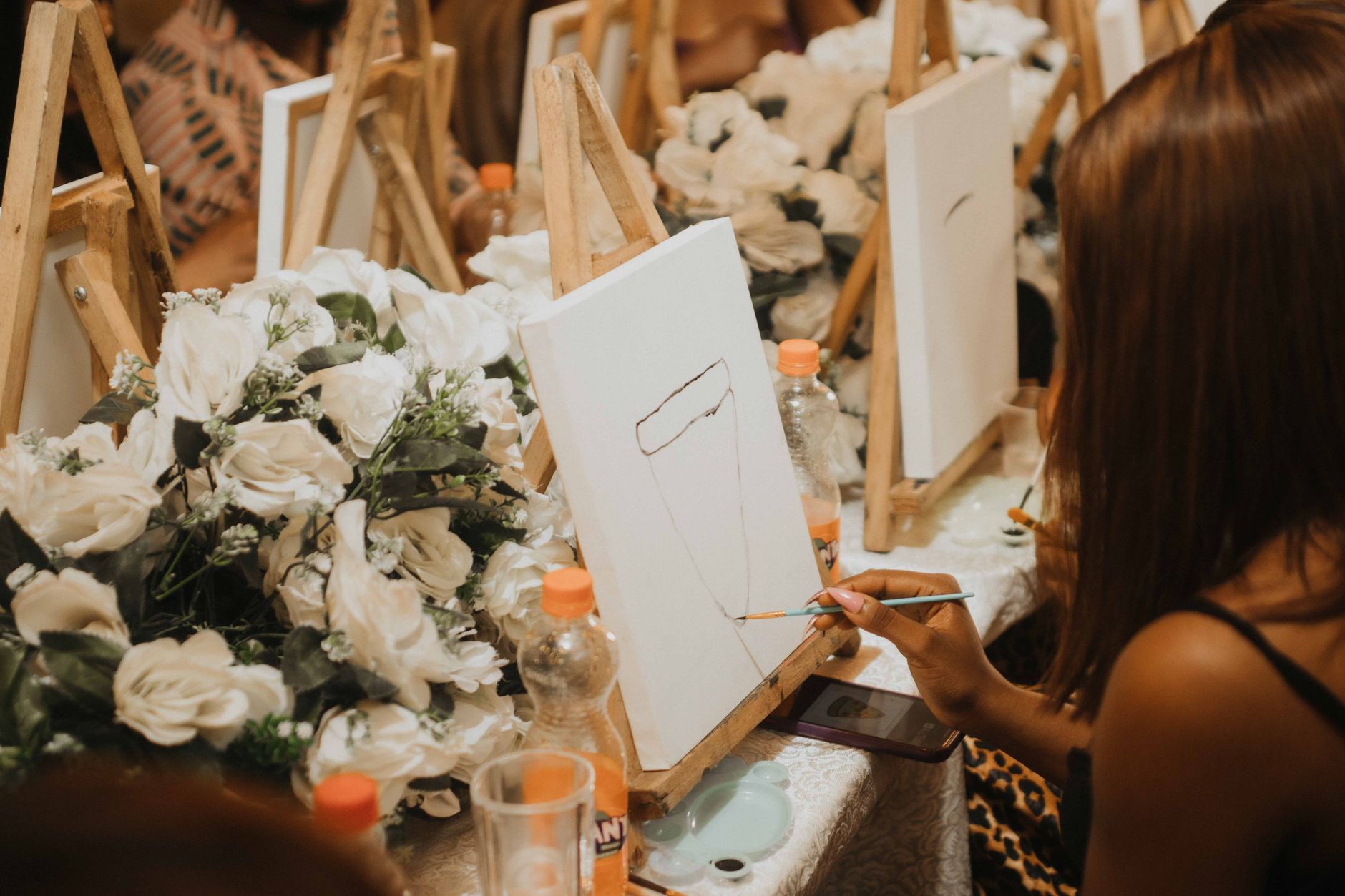
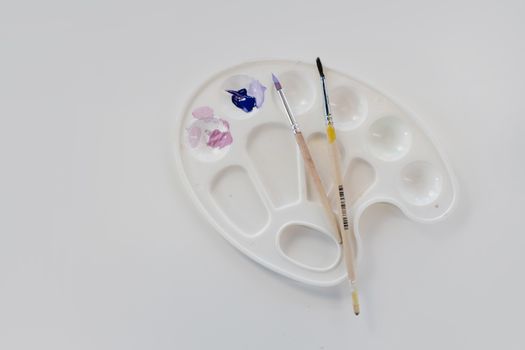 Photo: cottonbro studio / Pexels
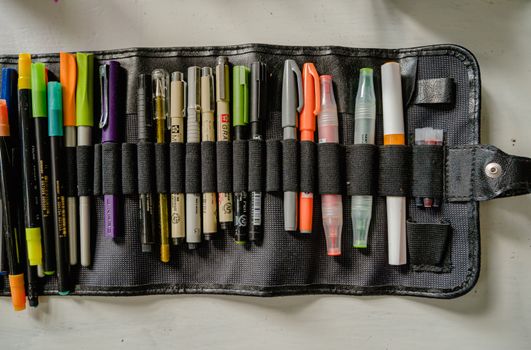 Photo: Antoni Shkraba / AI25.studio / Pexels
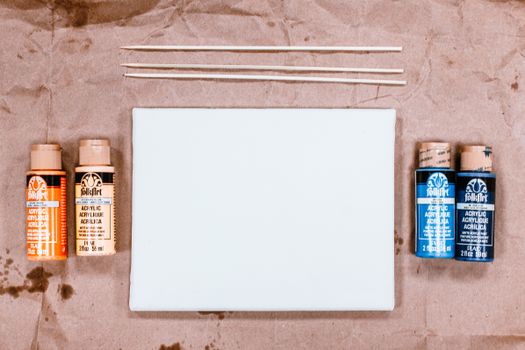 Photo: Luis Quintero / Pexels
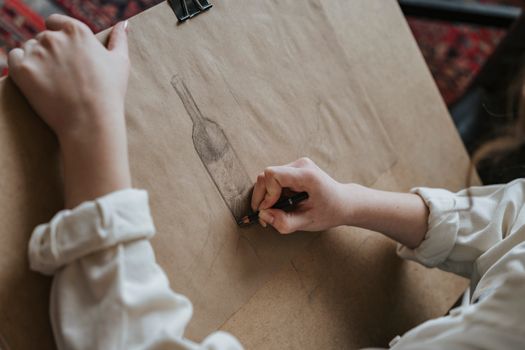 Photo: olia danilevich / Pexels