Exploring Different Types of Sculpture Art
June 19, 2026 16 min read 3,290 words
Unravel the rich history and diverse techniques behind the world's most captivating three-dimensional art forms.
Discover Sculpture
The Foundations: Traditional Sculpture Techniques and Forms
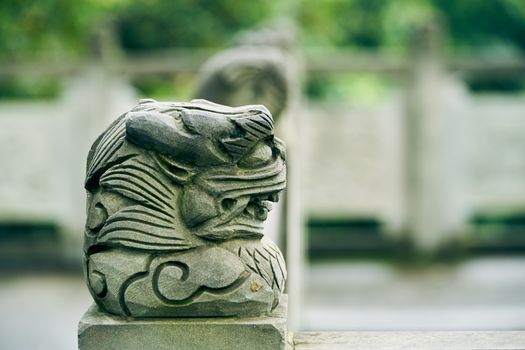 Photo: Suki Lee / Pexels
Sculpture, at its heart, is the art of creating three-dimensional forms. For millennia, artists have shaped materials to express ideas, capture likenesses, and adorn spaces. The journey of sculpture begins with foundational techniques that have been passed down through generations, each offering unique challenges and expressive potential. Understanding these core methods is crucial to appreciating the breadth of different types of sculpture art.
**Carving** is perhaps the most ancient and direct form of sculpture. It involves removing material from a solid block, be it stone, wood, or ice, to reveal the desired form. This subtractive process demands precision, foresight, and a deep understanding of the material's properties. Stone carving, exemplified by Michelangelo's David or the intricate reliefs of ancient Egypt, requires immense physical strength and patience, as mistakes are often irreversible. Wood carving, while softer, demands respect for grain and a different set of tools, often producing warmer, more organic forms. The directness of carving connects the artist intimately with the material, a dialogue between the sculptor's vision and the inherent qualities of the block. The choice of stone, for instance, significantly impacts the final aesthetic – marble offers smooth, luminous surfaces, while granite presents a rugged, enduring quality.
**Modeling**, in contrast to carving, is an additive process. Here, a soft, pliable material like clay, wax, or plaster is built up, shaped, and manipulated to form the sculpture. This technique allows for greater spontaneity and flexibility, as material can be added or removed with relative ease. Clay modeling has been fundamental for creating terracotta figurines and as an intermediary step for sculptures intended for casting in more durable materials. The tactile nature of modeling allows for a direct expression of form and texture, making it a favorite for preparatory sketches and studies. Wax modeling, particularly for the lost-wax casting method, offers fine detail and intricate forms. The ability to easily rework and refine a model makes this technique particularly versatile for artists exploring complex compositions or figurative studies. Many ancient civilizations relied heavily on modeling for their religious and utilitarian objects, showcasing its enduring utility and artistic potential. The fluidity of materials like clay also allows for capturing dynamic poses and subtle emotional expressions, making it a powerful tool for figurative artists.
Discover more about ancient art forms here.
**Casting** is a transformative process where a liquid material, typically molten metal (like bronze) or plaster, is poured into a mold and allowed to solidify. This technique allows for the creation of multiple copies of a single sculpture and enables artists to achieve forms that might be impossible or impractical through carving or modeling alone. The lost-wax casting method (cire perdue) is a sophisticated and ancient technique, involving several intricate steps to create a hollow metal sculpture from a wax model. Bronze casting, with its durability and capacity for intricate detail, has been revered since antiquity, producing masterpieces that have withstood the test of time. The lustrous surface and robust nature of bronze make it ideal for monumental public sculptures and enduring artistic statements. Plaster casting, while less durable, is often used for architectural details, replicas, or as an intermediate step for bronze casting. The process of casting is a testament to human ingenuity, combining artistic vision with sophisticated metallurgical and engineering skills to create permanent works of art. The ability to reproduce a form accurately was revolutionary, allowing for the widespread dissemination of artistic ideas and forms across cultures and time periods.
Expanding Horizons: Modern and Contemporary Sculpture
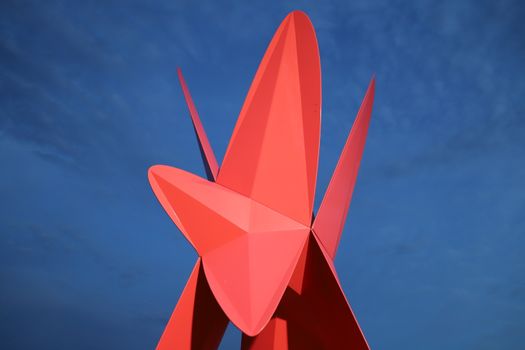 Photo: Dylan Shaw / Pexels
As the world entered the 20th century, the definition of sculpture expanded dramatically, challenging traditional notions of form, material, and even permanence. Modern and contemporary sculptors have pushed boundaries, incorporating new technologies, unconventional materials, and conceptual approaches that continue to redefine what different types of sculpture art can be. This era marked a significant departure from the classical ideals of representation and permanence, opening up a vast landscape of artistic exploration.
**Assemblage** emerged as a significant technique in the early 20th century, pioneered by artists like Pablo Picasso and Marcel Duchamp. Instead of shaping raw materials, assemblage involves gathering and joining disparate found objects and materials to create a new, coherent artwork. This additive process often imbues the sculpture with new meanings derived from the original context of the components. Think of sculptures made from industrial scraps, discarded consumer goods, or natural debris – each piece contributes to a larger narrative or aesthetic statement. Assemblage challenges the idea of preciousness in art, elevating everyday objects to artistic status and inviting viewers to reconsider their relationship with the material world. It's a testament to the artist's ability to see artistic potential in the overlooked, transforming mundane items into compelling visual stories. The Dada and Surrealist movements, in particular, embraced assemblage as a way to subvert traditional art forms and provoke thought, often creating works that were both humorous and deeply philosophical.
**Construction** is another key modern technique, often overlapping with assemblage but typically involving more deliberate fabrication and engineering. This involves building a sculpture from various parts or components, often using materials like metal, wood, or plastic sheets. Artists weld, bolt, glue, or fasten these elements together to create abstract or figurative forms. Think of the monumental steel sculptures of David Smith or the intricate wire constructions of Alexander Calder. Construction allows for open, dynamic forms that interact with space in complex ways, often emphasizing line, plane, and volume over solid mass. This approach often highlights the industrial nature of modern materials and techniques, celebrating the aesthetics of fabrication. Unlike carving or modeling, construction often involves a more architectural or engineering mindset, where the artist designs and builds the structure piece by piece. This method has been particularly effective for large-scale outdoor installations, where the interplay of light and shadow on constructed forms adds another dimension to the artwork.
Beyond these techniques, contemporary sculpture has embraced a multitude of experimental approaches. **Installation art**, for instance, creates immersive environments that transform an entire space, often engaging the viewer directly. These can be temporary or permanent, site-specific or adaptable, and often involve a combination of objects, light, sound, and performance elements. **Kinetic sculpture** incorporates movement, either through natural forces like wind or through mechanical means, adding a temporal dimension to the artwork. Artists like Jean Tinguely created whimsical, self-destructing machines, while others, like George Rickey, crafted elegant, wind-powered mobiles. **Light sculpture** utilizes light itself as the primary medium, manipulating its intensity, color, and direction to create ethereal and dynamic forms. From neon art to projections, light sculptures blur the lines between art, technology, and sensory experience. The boundaries of sculpture continue to expand, with artists exploring digital fabrication, bio-art, and even virtual reality, demonstrating the boundless potential of three-dimensional expression in the 21st century.
Materials and Their Impact: Exploring Sculptural Mediums
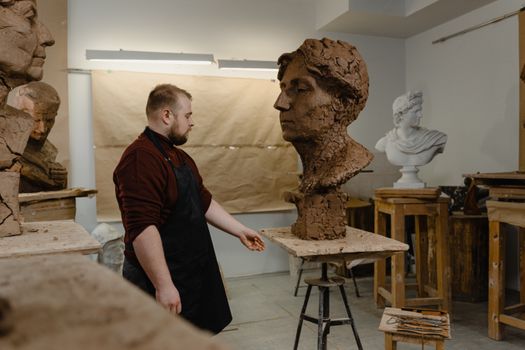 Photo: Tima Miroshnichenko / Pexels
The choice of material is fundamental to sculpture, influencing not only the aesthetic and physical properties of the artwork but also its symbolic meaning and longevity. Different types of sculpture art are often defined by the mediums artists select, each presenting unique challenges and opportunities. Understanding the characteristics of various materials provides a deeper appreciation for the sculptor's craft and the messages embedded within their work.
**Stone** is arguably the most iconic sculptural material, associated with enduring monuments and classical masterpieces. Marble, with its translucent quality and capacity for fine detail, has been favored by sculptors from ancient Greece to the Renaissance. Its pristine white surface can evoke purity and idealism. Granite, on the other hand, is known for its extreme hardness and durability, often used for monumental works requiring resistance to the elements. Limestone and sandstone offer softer, more workable alternatives, suitable for intricate carvings or architectural embellishments. The geological origin and unique veining of each stone add an inherent beauty and character that the sculptor must respect and integrate into the final form. Working with stone is a labor-intensive process, requiring specialized tools and immense physical effort, a testament to the sculptor's dedication and skill. The weight, texture, and color of stone contribute significantly to the sculpture's presence and gravitas, making it a timeless choice for works intended to last for centuries.
**Metal**, particularly bronze, has been a cornerstone of sculpture for thousands of years. Bronze, an alloy of copper and tin, is celebrated for its strength, ductility, and ability to capture intricate details when cast. Its rich patina, which develops over time, adds depth and character to the surface. Iron and steel have gained prominence in modern sculpture, offering industrial aesthetics and structural possibilities for large-scale, open forms. Welding and forging techniques allow artists to create dynamic and often monumental structures that interact powerfully with their environment. Aluminum, being lighter, is often used for kinetic sculptures or works where portability is a concern. The reflective qualities of polished metal can introduce light and movement into a sculpture, while rusted or oxidized surfaces evoke a sense of age and industrial decay. The choice of metal often reflects a balance between artistic intent, desired durability, and the technical capabilities of the sculptor.
Explore the history of metalwork in art.
**Wood** offers warmth, organic textures, and a connection to nature. Different species of wood, such as oak, walnut, cedar, or pine, each possess distinct grains, colors, and densities, influencing both the carving process and the final appearance. Wood can be carved, joined, or laminated, allowing for a wide range of forms from intricate reliefs to massive totemic figures. Its natural imperfections, like knots and burls, can be incorporated into the design, adding character. However, wood is susceptible to environmental factors like moisture and insects, requiring careful preservation. The tactile quality of wood and its natural origins often lend sculptures a sense of intimacy and connection to the earth, making it a popular choice for artists exploring themes of nature, spirituality, or folk art. The aroma of certain woods also adds a sensory dimension to the art experience.
Beyond these traditional materials, contemporary sculptors have embraced an astonishing array of mediums. **Clay**, as mentioned, is versatile for modeling and firing into ceramics. **Glass**, with its transparency and ability to be blown, cast, or fused, creates sculptures that play with light and color, often appearing delicate yet structurally robust. **Plastics**, such as acrylics and resins, offer vibrant colors, smooth surfaces, and the ability to be molded into virtually any shape, providing a modern aesthetic. **Found objects** and **recycled materials** challenge notions of value and sustainability, transforming discarded items into poignant artistic statements. Even ephemeral materials like **ice, sand, or light** are used to create temporary sculptures, emphasizing process, impermanence, and the experience of the viewer. The expansion of materials reflects a broader artistic desire to push boundaries, experiment with new technologies, and engage with contemporary issues, continually redefining what constitutes different types of sculpture art.
Navigating the World of Sculpture: Tips for Appreciation and Collection
 Photo: Tima Miroshnichenko / Pexels
Engaging with sculpture, whether as an admirer or a prospective collector, offers a rich and rewarding experience. Understanding the nuances of different types of sculpture art can deepen your appreciation and guide your choices. Here are some tips to help you navigate this fascinating art form.
* **Visit Museums and Galleries Regularly:** The best way to understand sculpture is to see it in person. Museums and galleries offer opportunities to experience the scale, texture, and three-dimensionality of works that cannot be fully conveyed through images. Pay attention to how the light interacts with the surfaces, how the sculpture occupies space, and how your own movement around it changes your perception. Look for specific exhibitions focusing on sculptural techniques or periods to broaden your knowledge.
* **Research the Artist and Context:** A sculpture's meaning is often enriched by knowing about the artist's intentions, their background, and the historical or cultural context in which the work was created. Understanding why an artist chose a particular material or technique can reveal deeper layers of meaning. For contemporary pieces, research any conceptual underpinnings or social commentary the artist might be making.
* **Consider Scale and Environment:** Sculpture is inherently site-specific. A piece that looks magnificent in a vast museum hall might feel overwhelming in a small living room, and vice versa. If you're considering collecting, think about the intended environment for the sculpture. Does it need a pedestal? How will natural and artificial light affect it? How will it interact with other objects and architectural features?
* **Engage with the Material:** Touch (where permitted!) can be a powerful way to connect with sculpture. Even if you can't touch, observe the material closely. Is it rough or smooth? Does it reflect light or absorb it? How does the material choice contribute to the overall message or feeling of the artwork? The texture and inherent qualities of stone, wood, metal, or glass each tell a part of the story.
* **Understand Care and Maintenance:** For collectors, knowing how to properly care for different sculptural materials is crucial. Bronze requires occasional waxing, stone may need cleaning, and wood might need protection from humidity changes. Research conservation practices for specific materials to ensure the longevity of your investment. Always consult with professional conservators for valuable or delicate pieces.
* **Explore Emerging Artists and Mediums:** The world of contemporary sculpture is constantly evolving. Attend art fairs, follow art blogs, and visit university art departments to discover new talents and innovative approaches. Emerging artists often experiment with cutting-edge materials and technologies, pushing the boundaries of what sculpture can be and offering exciting opportunities for collection and discovery.
By actively engaging with these aspects, you can move beyond simply looking at sculpture to truly experiencing and understanding the profound impact of these three-dimensional works of art. It transforms passive viewing into an active exploration of form, material, and meaning.
