Your Ultimate Guide: How to Start Painting for Beginners
how to start painting for beginners

Your Ultimate Guide: How to Start Painting for Beginners

Unlock your creative potential and embark on your painting journey with confidence and joy.

Start Painting Now

Key Takeaways

  • ✓ No prior experience is necessary to begin painting.
  • ✓ Acrylics are often recommended for their versatility and ease of use.
  • ✓ Focus on basic shapes, colors, and brushstrokes initially.
  • ✓ Consistency and practice are more important than initial talent.

How It Works

1
Gather Your Essential Supplies

Acquire basic paints, brushes, and surfaces without overspending. Start with a simple, affordable kit to avoid overwhelm.

2
Understand Basic Color Theory

Learn about primary, secondary, and tertiary colors to mix your own hues. This fundamental knowledge will greatly enhance your artwork.

3
Practice Fundamental Techniques

Experiment with different brushstrokes, blending, and layering. Don't aim for perfection, but rather explore the medium's possibilities.

4
Start with Simple Subjects

Begin painting straightforward objects or abstract shapes to build confidence. Gradually challenge yourself with more complex compositions.

Demystifying Painting Supplies for Beginners
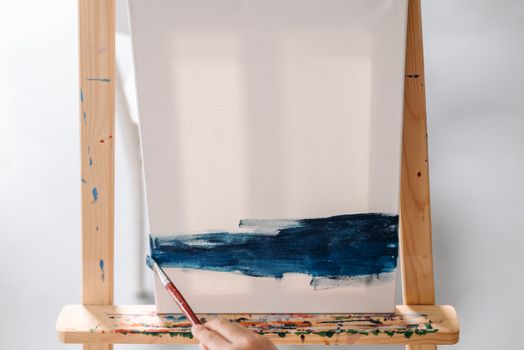
Close-up of an artist painting a blue stroke on canvas using a paintbrush on an easel. Photo: Pavel Danilyuk / Pexels
Embarking on your painting journey as a beginner doesn't require an overwhelming investment in expensive supplies. In fact, one of the biggest misconceptions is that you need top-tier materials to create meaningful art. The truth is, a few carefully selected, affordable items can get you started and allow you to explore the fundamentals without breaking the bank. For most beginners, acrylic paints are an excellent starting point. They are water-soluble, which means easy cleanup with just soap and water, and they dry relatively quickly, allowing for layering and faster progress without long waiting times. Their versatility also means they can be used on various surfaces, from canvas to paper. When choosing acrylics, look for 'student grade' sets. These offer a good range of colors at a lower price point than 'artist grade' paints, which are formulated with higher pigment concentration and a smoother consistency, but are not essential for learning the ropes. A basic set of 12-18 colors is usually sufficient, allowing you to mix a vast array of hues. Understanding color theory will become invaluable as you learn to mix your own custom shades from a limited palette. Beyond paints, a small selection of brushes is crucial. You don't need dozens; start with a flat brush (for broad strokes and crisp edges), a round brush (for details and lines), and a filbert brush (a versatile hybrid). Sizes ranging from small (e.g., #2 or #4) to medium (e.g., #8 or #10) will cover most of your initial needs. Synthetic brushes are often preferred for acrylics as they hold up well to the paint's consistency and are easy to clean. Don't forget a palette for mixing colors – an old ceramic plate, a plastic lid, or even wax paper can serve this purpose perfectly. For surfaces, canvas panels or stretched canvases are popular, but canvas paper or thick watercolor paper (140lb/300gsm) are cheaper alternatives for practice. A jar for water (to clean brushes), paper towels or an old rag, and an easel (though optional, a tabletop easel can be helpful) complete your basic kit. Remember, the goal is to experiment and learn, not to produce masterpieces immediately. Affordable supplies encourage fearless exploration, which is key to developing your skills. As you progress, you'll naturally discover which tools you prefer and can then invest in higher quality items as needed. Resist the urge to buy everything at once; build your collection gradually based on your evolving artistic needs and preferences.

Mastering Basic Painting Techniques and Color Theory
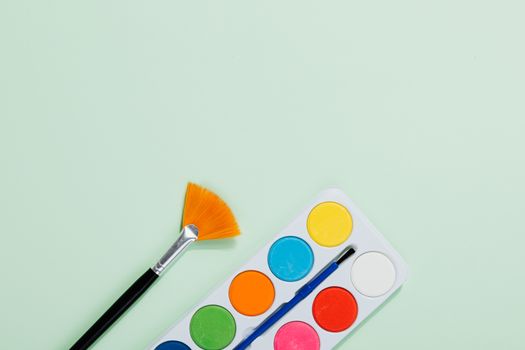
Bright watercolor palette and paintbrush on a soft green background, perfect for artists. Photo: www.kaboompics.com / Pexels
Once you have your supplies, the next step in how to start painting for beginners is to delve into fundamental techniques and grasp the basics of color theory. These aren't just academic concepts; they are the building blocks that will empower you to translate your ideas onto the canvas. Start with brush control. Many beginners hold the brush too tightly, leading to stiff, hesitant strokes. Try to relax your grip and experiment with different angles and pressures. Practice making long, flowing lines, short dabs, and varied textures. Don't be afraid to waste some paint or paper in this exploratory phase; it's all part of the learning process. Understanding how different brushes behave is also crucial. A flat brush will give you broad, even strokes, while a round brush excels at fine lines and details. A fan brush can create interesting textures like grass or foliage. Experiment with each brush, making marks on a scrap piece of paper or canvas until you feel more comfortable with their capabilities. Next, let's talk about color theory, which is foundational to painting. The color wheel is your best friend here. Primary colors (red, blue, yellow) cannot be created by mixing other colors. Secondary colors (orange, green, purple) are formed by mixing two primary colors. Tertiary colors are created by mixing a primary and a secondary color. Understanding these relationships allows you to mix any color you need from a limited palette, saving money and deepening your understanding of color. Warm colors (reds, oranges, yellows) tend to advance and feel energetic, while cool colors (blues, greens, purples) recede and feel calming. Complementary colors (opposite each other on the color wheel, like red and green) create high contrast and vibrancy when placed next to each other. Analogous colors (next to each other on the color wheel) create harmonious, subtle palettes. Practice mixing colors on your palette. Try to create different shades of green from blue and yellow, or various purples from red and blue. Add a touch of white to lighten colors (creating tints) and a tiny bit of black or a complementary color to darken them (creating shades). Don't just rely on colors straight from the tube; mixing your own expands your creative vocabulary. Finally, explore layering and blending. Acrylics dry quickly, which can be both a blessing and a curse. It allows for quick layering, but also means you have to work relatively fast if you want to blend colors smoothly on the canvas. Practice applying one color, letting it dry, and then applying another on top. Try wet-on-wet blending, where you apply two wet colors next to each other and gently mix their edges on the canvas for a soft transition. These techniques are fundamental to creating depth, dimension, and visual interest in your paintings. Remember, consistency is key. Dedicate regular, even short, periods to practice these basics, and you'll see noticeable improvement over time.

Finding Inspiration and Embarking on Your First Projects

Once you're comfortable with your basic supplies and a few fundamental techniques, the exciting part begins: finding inspiration and starting your first painting projects. For many beginners, deciding what to paint can be the biggest hurdle. The key is to start simple and choose subjects that genuinely interest you, rather than feeling pressured to create a masterpiece. Nature is an endless source of inspiration. Try painting a single leaf, a simple flower, or a piece of fruit. These objects have clear shapes, manageable colors, and interesting textures that are perfect for practice. Still life arrangements are also excellent for beginners. Gather a few everyday objects – a mug, a book, a small vase – and arrange them under a consistent light source. This allows you to practice observing light and shadow, form, and composition without the complexity of a landscape or portrait. Don't feel you have to copy exactly what you see; interpret it in your own style. Another fantastic starting point is abstract painting. This can be incredibly liberating as it removes the pressure of realism. Experiment with different colors, textures, and brushstrokes without a specific object in mind. Focus on creating pleasing compositions, exploring color harmonies, and expressing emotions through your marks. This can be a wonderful way to build confidence and understand how colors interact. Looking at other artists' work can also be a great source of inspiration, but be careful not to fall into the trap of direct copying. Instead, analyze what you like about their work – their color palette, their brushwork, their composition – and see how you can incorporate similar ideas into your own unique style. Art books, galleries, and online platforms like Pinterest or Instagram are full of examples. Consider starting a sketchbook or a visual journal. This isn't just for drawing; you can jot down ideas, do small color studies, practice brushstrokes, or even collage images that inspire you. It's a low-pressure space to experiment and develop your visual language. When you finally put brush to canvas for your first project, remember to set realistic expectations. Your first few paintings might not turn out exactly as you envisioned, and that's perfectly normal. The goal is to learn from each piece, understand what worked and what didn't, and enjoy the process. Don't be afraid to make mistakes; they are invaluable learning opportunities. Embrace the journey of discovery, celebrate small victories, and allow your unique artistic voice to emerge naturally. Joining a local art class or online community can also provide valuable feedback and encouragement, helping you stay motivated and inspired.

Common Beginner Painting Mistakes and How to Avoid Them

As you embark on your painting journey, it's natural to encounter challenges and make mistakes. Recognizing these common pitfalls can help you navigate them more effectively and accelerate your learning process. Here are some of the most frequent errors beginners make and practical advice on how to avoid them: * **Over-blending Colors:** A common mistake, especially with acrylics, is over-blending until colors become muddy. Acrylics dry fast, so if you try to blend for too long, you'll just be moving semi-dry paint around, creating a murky mess. Instead, work swiftly when blending, or try layering glazes of transparent color once layers are dry. Embrace visible brushstrokes; they add character and texture. * **Not Cleaning Brushes Properly:** Neglecting to clean your brushes thoroughly after each painting session is a sure way to ruin them quickly. Dried paint, especially acrylic, can permanently damage bristles. Always wash brushes with soap and water until all paint residue is gone, then reshape the bristles and let them dry flat or brush-side up. * **Using Too Much Water with Acrylics:** While acrylics are water-soluble, using too much water can dilute the pigment, making your paint thin, streaky, and less vibrant. It can also cause the paint to lose its adhesive properties. Use water sparingly to thin paint, or opt for acrylic mediums designed for thinning while maintaining pigment integrity. * **Starting Too Complex:** Many beginners jump straight into intricate landscapes or detailed portraits. This often leads to frustration and discouragement. As discussed earlier, begin with simple subjects like basic shapes, fruits, or abstract color studies. Build your skills gradually before tackling more challenging compositions. * **Ignoring Light and Shadow (Value):** Value refers to the lightness or darkness of a color, and it's crucial for creating dimension and realism. Beginners often focus too much on local color and neglect to observe how light and shadow affect it. Practice creating value scales and consciously observe where light hits and where shadows fall in your subject. Squinting at your subject can help simplify values. * **Lack of Patience:** Painting is a process that requires patience, both with the medium and with yourself. Don't rush your layers or expect instant masterpieces. Allow paint to dry if needed, and give yourself grace to experiment and learn. Frustration is a natural part of the creative process; learn to work through it. * **Comparing Yourself to Others:** It's easy to look at experienced artists' work and feel inadequate. Remember that everyone started somewhere. Focus on your own progress and enjoyment, rather than comparing your beginner efforts to someone else's years of practice. Your unique style will emerge with time and dedication. By being aware of these common pitfalls, you can approach your painting practice with greater intention and less frustration, allowing for a more enjoyable and productive learning experience.

Comparison

FeatureAcrylic Paints (Best for Beginners)Oil Paints (Alternative 1)Watercolor Paints (Alternative 2)
Drying TimeFastVery SlowFast
CleanupWater & SoapMineral Spirits/TurpentineWater
VersatilityHigh (various surfaces)Medium (canvas/wood)Medium (paper)
Opacity/TransparencyOpaque (can be thinned)OpaqueTransparent
Cost for Beginner SetLow to MediumMedium to HighLow to Medium
Ease of BlendingMedium (dries fast)High (long open time)Medium (relies on water)
Fumes/OdorLow/NoneHigh (solvents needed)Low/None

What Readers Say

"This guide truly showed me how to start painting for beginners! I was overwhelmed by all the options, but it broke down the supplies and techniques into easy-to-digest steps. My first painting was rough, but I finally feel like I can do this."

Sarah J. · Austin, TX

"As someone with zero art experience, I found the advice on how to start painting for beginners incredibly helpful. The section on common mistakes saved me a lot of frustration, and I've already completed a few small canvases I'm proud of."

Mark P. · Seattle, WA

"I used to think painting was only for 'talented' people. This article gave me the confidence and practical steps on how to start painting for beginners. Following the advice, I've gone from never holding a brush to creating vibrant abstract pieces in just a month!"

Emily R. · Miami, FL

"A very thorough guide on how to start painting for beginners. I appreciated the detailed breakdown of supplies, though I wish there were a few more specific project ideas to kick off with. Still, a fantastic resource overall."

David L. · Chicago, IL

"I'm a busy mom and needed something simple to pick up a new hobby. This 'how to start painting for beginners' guide was perfect. It's concise, encouraging, and has me enjoying a creative outlet I never thought I'd have time for."

Jessica M. · Denver, CO

Frequently Asked Questions

What's the absolute best type of paint for beginners?

Acrylic paints are widely considered the best for beginners due to their versatility, ease of cleanup with water, and relatively fast drying time. This allows you to layer colors quickly and correct mistakes without much hassle, making the learning process more forgiving and enjoyable.

Do I need to be naturally talented to start painting?

Absolutely not! Painting is a skill that can be learned and developed through practice, just like playing a musical instrument or riding a bike. Natural talent might give some a head start, but dedication, patience, and consistent effort are far more important for long-term growth and enjoyment.

How do I choose the right brushes when I'm just starting out?

For beginners, a small set of synthetic brushes is ideal. Look for a flat brush (for broad strokes), a round brush (for details), and a filbert brush (for versatility) in a few different sizes (e.g., small, medium). This modest selection will cover most of your initial painting needs without overwhelming you.

Is painting an expensive hobby to get into?

Painting can be as affordable or as expensive as you make it. For beginners, it's very affordable. You can start with student-grade acrylic paints, a few basic brushes, and canvas paper or inexpensive canvas panels for under $50. As you advance, you might choose to invest in higher-quality materials, but it's not necessary to begin.

How do acrylics compare to watercolors for a beginner?

Acrylics are generally more forgiving than watercolors for beginners. Acrylics are opaque and can be layered to cover mistakes, offering more control. Watercolors are transparent and require more planning and precision, as layers build up and are harder to correct. Both are water-based, but acrylics offer a broader range of techniques for a novice.

Who should consider starting to paint?

Anyone looking for a creative outlet, a stress-relieving hobby, or a new way to express themselves should consider starting to paint. It's beneficial for all ages and requires no prior artistic background, offering a fulfilling journey of discovery and personal growth.

Are there any health or safety concerns with beginner painting supplies?

For most beginner supplies like student-grade acrylics and watercolors, health and safety concerns are minimal. They are typically non-toxic and water-based. However, always ensure good ventilation, avoid ingesting paint, and wash hands thoroughly after painting, especially if using any solvents (not typically needed for beginner acrylics).

What are some emerging trends in beginner painting that I should be aware of?

While foundational techniques remain constant, trends like 'paint-by-numbers for adults' with custom photo options, guided online painting tutorials (e.g., 'paint and sip' style at home), and a focus on abstract expression for stress relief are popular. Also, eco-friendly art supplies are gaining traction, making painting a more sustainable hobby.

Ready to unleash your inner artist? This comprehensive guide on how to start painting for beginners has equipped you with the knowledge and confidence to take that exciting first step. Grab your supplies, find a quiet space, and let your creativity flow onto the canvas. The world of painting awaits!

Topics: how to start painting for beginnersbeginner painting techniquespainting supplies for beginnerseasy painting ideaslearn to paint
Leo List
Brampton weed
Adultwork