✓ Large wall art can define the mood and style of an entire living room.
✓ Proper sizing and placement are crucial for maximizing visual impact.
✓ A variety of art styles, from abstract to photography, suit large formats.
✓ Investing in quality large art can significantly increase home aesthetic value.
How It Works
1
Assess Your Space
Measure your wall and consider the room's existing furniture and color palette. This helps determine appropriate size and style.
2
Define Your Style
Explore different art genres like abstract, landscape, or portraiture that resonate with your personal taste. Think about the emotion you want to evoke.
3
Select Your Art
Choose a piece that complements your living room's aesthetic while also serving as a compelling focal point. Consider color, texture, and subject matter.
4
Strategic Placement
Hang your large wall art at eye level, ensuring it's proportionate to the wall and any furniture beneath it. Proper lighting can enhance its presence.
The Power of Scale: Why Large Wall Art Matters in Your Living Room
Photo: Claudia Solano / Pexels
In the realm of interior design, few elements possess the transformative power of large wall art. It's more than just a decorative accent; it's a statement, a mood-setter, and often, the soul of a living room. When we talk about large wall art for living room spaces, we're not just discussing bigger canvases; we're talking about a strategic design choice that can fundamentally alter the perception and feel of your entire home. A single, generously sized piece can anchor a room, drawing the eye and creating an undeniable focal point that smaller, disparate pieces simply cannot achieve. It eliminates visual clutter, offering a cohesive and impactful aesthetic that speaks volumes about your taste and personality.
Consider a vast, empty wall – a blank canvas awaiting its narrative. Filling this expanse with a collection of small frames can often feel chaotic or under-scaled, leaving the room feeling unfinished or unbalanced. Conversely, introducing a singular, oversized artwork immediately brings balance and gravitas. It provides a sense of grandeur and sophistication, making the room feel more intentional and thoughtfully designed. This isn't merely about filling space; it's about creating a visual anchor that grounds the entire room's design. The scale of the art dictates the perceived scale of the room itself. A large piece can make a compact living room feel more expansive and grand, while in a sprawling space, it prevents the room from feeling cavernous or impersonal.
Beyond its aesthetic appeal, large wall art plays a crucial psychological role. It can evoke emotions, stimulate conversation, and reflect the homeowner's identity. A vibrant abstract piece might inject energy and modern flair, while a serene landscape can bring a sense of calm and tranquility. The subject matter, color palette, and texture all contribute to the overall ambiance, allowing you to curate the emotional landscape of your living area. This is particularly important in a living room, which often serves as the heart of the home – a place for relaxation, entertainment, and connection. The art you choose here becomes an extension of your personal narrative, telling a story to anyone who enters your space. It's an investment in the atmosphere and character of your home, far beyond mere decoration. To truly understand its impact, one must appreciate the principles of visual balance in art and how a single large piece can dramatically shift the equilibrium of a room, transforming it from ordinary to extraordinary.
Choosing the Perfect Large Wall Art: Style, Subject, and Color Palette
Photo: Hande K. Uyanık / Pexels
Selecting the ideal large wall art for your living room is a deeply personal journey, but one guided by key design principles that ensure harmony and impact. The sheer variety of options can be overwhelming, from abstract expressionism to photorealistic landscapes, pop art to classical portraiture. The first step is to consider the existing style of your living room. Is it minimalist and modern, rustic and farmhouse, eclectic and bohemian, or traditional and elegant? Your chosen artwork should ideally complement, or intentionally contrast, this established aesthetic. For a modern space, a bold abstract piece with clean lines and a limited color palette might be perfect. In a more traditional setting, a classic landscape or a rich still life could enhance the sophisticated ambiance. Bohemian living rooms, on the other hand, might thrive with large textile art, a vibrant tapestry, or a multi-panel piece reflecting global influences.
The subject matter is another critical consideration. What emotions or ideas do you want to convey? A vast, serene seascape can evoke a sense of calm and openness, making a room feel more expansive. A dynamic city skyline might inject energy and a contemporary edge. For those who appreciate nature, a large botanical print or a close-up of flora can bring the outdoors in, creating a refreshing and organic feel. Abstract art, while not depicting a specific subject, communicates through color, form, and texture, allowing for personal interpretation and a unique sensory experience. It’s important to select a subject that you won't tire of quickly, as large art is a significant visual commitment.
Finally, the color palette of your large wall art plays a pivotal role in unifying or energizing your living room. You can choose artwork that echoes the dominant colors already present in your furniture, rugs, or decorative accents, creating a harmonious and cohesive look. Alternatively, you might opt for a piece that introduces a bold accent color, acting as a vibrant pop against a more neutral backdrop. This can be an incredibly effective way to add personality and visual interest without redecorating the entire room. Consider the mood each color evokes: blues and greens for tranquility, reds and oranges for warmth and energy, and neutrals for sophistication. The interplay of colors within the artwork itself, and how those colors interact with the rest of your decor, will ultimately determine its success as a focal point. Don't be afraid to experiment with digital mock-ups or even taping paper cutouts to your wall to visualize the scale and color impact before making a final decision.
Sizing and Placement Strategies for Maximum Impact
Photo: Blue Bird / Pexels
Achieving the perfect look with large wall art in your living room hinges critically on correct sizing and strategic placement. These aren't just minor details; they are the foundational elements that determine whether your artwork enhances or detracts from your space. A common mistake is choosing art that is too small for the wall it adorns, resulting in a piece that feels lost and insignificant, failing to create the desired impact. Conversely, art that is overwhelmingly large can make a room feel cramped and unbalanced. The goal is to find that sweet spot where the art feels proportionate and intentional.
A good rule of thumb for sizing is that your large wall art should ideally fill about two-thirds to three-quarters of the available wall space, particularly if it's the primary focal point above a sofa or console table. If hanging above furniture, the artwork should be approximately two-thirds the width of the furniture below it. For instance, if your sofa is 90 inches wide, your art should be around 60 inches wide. This creates a visually pleasing balance and prevents the furniture from looking disconnected from the art. When hanging on a bare wall, consider the overall dimensions of the wall and aim for a piece that occupies a significant portion without appearing crammed. Large panoramic pieces or multi-panel artworks can be excellent choices for extremely wide walls, offering expansive visual appeal.
Placement is equally vital. The universally accepted guideline is to hang art at eye level. While 'eye level' can vary, a good starting point is to ensure the center of the artwork is approximately 57-60 inches from the floor. This height is comfortable for most people to view without craning their necks. If hanging above a sofa, ensure there's a gap of 6-12 inches between the bottom of the frame and the top of the furniture, allowing both elements to breathe. Avoid hanging art too high, as this detaches it from the rest of the room's decor and makes it feel like it's floating. For a cohesive look, consider how your large wall art interacts with other elements in the room, such as lighting fixtures, windows, and other decorative pieces. Strategic lighting, such as picture lights or recessed spotlights, can further enhance your artwork, bringing out its colors and textures and ensuring it truly shines as the centerpiece of your living room. Understanding these principles allows you to make your art an integral, rather than isolated, part of your living space, elevating its overall design and aesthetic appeal. Explore more about the art of hanging pictures for further guidance on achieving perfect placement.
Maintenance and Care: Preserving Your Large Wall Art Investment
Photo: Thirdman / Pexels
Investing in large wall art for your living room is not just about aesthetics; it's about acquiring a piece that will bring joy and character to your home for years to come. Proper maintenance and care are essential to preserve its beauty, integrity, and value. Unlike smaller pieces that might be moved or rotated frequently, large artworks often stay in place, making their long-term protection even more critical. Understanding how to care for different types of art, whether it's an oil painting, a canvas print, a photograph, or a mixed-media piece, is paramount.
Dust is the most common culprit. Regularly dusting your artwork with a soft, clean, dry microfiber cloth or a soft-bristled brush is crucial. For canvases or textured pieces, a soft brush can gently dislodge dust from crevices without scratching the surface. Avoid using feather dusters, as they can simply redistribute dust. Never use abrasive cleaners, glass cleaners (unless the art is behind glass and the cleaner is sprayed onto the cloth first, away from the frame), or water directly on the artwork itself, especially for paintings or prints without protective glazing. Moisture can cause irreversible damage, leading to warping, discoloration, or mold growth.
Environmental factors play a significant role in the longevity of your art. Direct sunlight is one of the biggest enemies. UV rays can cause colors to fade and pigments to degrade over time. Position your large wall art away from direct sunlight, or consider installing UV-protective window films or using art with UV-resistant inks and protective coatings. Humidity and temperature fluctuations can also be detrimental. High humidity can lead to mold, mildew, and warping of canvases or frames, while extreme dryness can cause cracking. Aim for a stable environment with moderate humidity (around 40-50%) and temperature. Avoid hanging art directly above heat sources like radiators or fireplaces, as the fluctuating heat can cause rapid expansion and contraction, damaging the materials.
When moving or cleaning around your large artwork, always handle it with care. If you need to move it, hold it by the frame, not the canvas or print surface. For very large or heavy pieces, always enlist assistance to prevent accidental drops or damage. Inspect the hanging hardware periodically to ensure it remains secure and robust. Over time, hooks and wires can weaken, especially with the weight of large pieces. By following these simple yet effective care guidelines, your large wall art will continue to be a stunning centerpiece in your living room, maintaining its vibrant appeal and remaining a cherished part of your home's decor for many years.
Common Mistakes to Avoid When Decorating with Large Wall Art
Decorating with large wall art can be incredibly rewarding, but it's also easy to make missteps that diminish its impact. Avoiding these common mistakes will ensure your chosen piece truly elevates your living room.
**1. Incorrect Sizing:** As discussed, choosing art that is too small for a large wall is a cardinal sin. It makes the wall feel empty and the art insignificant. Conversely, art that's too big for a narrow wall or a small room can overwhelm the space and make it feel cramped. Always measure your wall and consider the furniture it will accompany.
**2. Hanging Too High:** This is perhaps the most prevalent error. Art hung too high detaches itself from the rest of the room, appearing to float aimlessly. The center of the artwork should generally be at eye level (around 57-60 inches from the floor) or proportional to the furniture below it, allowing for a comfortable visual connection.
**3. Ignoring Room Style and Color Palette:** A beautiful piece of art can clash terribly if its style or colors are at odds with your existing decor. While intentional contrast can work, a jarring mismatch can create an uncomfortable aesthetic. Ensure your large wall art either harmonizes with or thoughtfully contrasts your room's overall theme and color scheme.
**4. Poor Lighting:** Even the most stunning large wall art can fall flat in poor lighting. Insufficient light can make colors appear dull and details lost, while harsh direct light can cause glare. Consider accent lighting, such as picture lights or track lighting, to highlight your artwork and bring out its full beauty.
**5. Overlooking Proximity to Other Elements:** Your large artwork shouldn't compete with other strong visual elements. Ensure there's adequate breathing room around it, and that it doesn't block doorways, windows, or overshadow other significant decor items. It should complement, not dominate, the surrounding space.
**6. Neglecting Quality:** While budget-friendly options exist, extremely cheap, mass-produced large art can sometimes look flimsy or lack the visual depth needed to truly command a large space. Invest in the best quality you can afford, considering factors like print resolution, canvas quality, and frame craftsmanship. A higher quality piece will have a more profound and lasting impact on your living room's aesthetic.
By being mindful of these pitfalls, you can confidently select and display large wall art that transforms your living room into a sophisticated and inviting sanctuary.
Comparison
Feature
Large Canvas Print
Oversized Framed Poster
Multi-Panel Metal Art
Large Original Painting
Cost Range
$$
$
$$$
$$$$
Durability
Good
Moderate (with frame)
Excellent
Very Good
Impact
High
Moderate to High
Very High
Exceptional
Customization
✓
✓
✗
✓
Maintenance
Low
Low
Very Low
Moderate
Style Versatility
High
High
Modern/Industrial
High
What Readers Say
★★★★★
"Our living room felt so empty until we found this incredible large wall art. It completely transformed the space, adding so much personality and warmth. It's the first thing everyone comments on!"
Sarah J. · Austin, TX
★★★★★
"I was hesitant about investing in such a big piece, but the large wall art for our living room was worth every penny. It ties the whole room together and truly acts as a stunning focal point."
Michael D. · Seattle, WA
★★★★★
"After struggling to decorate a huge wall, we chose a large abstract piece. The impact was immediate – our living room went from bland to breathtaking, and it truly feels like a designer space now."
Emily R. · Miami, FL
★★★★★
"The large wall art we bought for our living room is beautiful, though the hanging process was a bit trickier than expected due to its size. Once up, it looks fantastic and really pulls the room together."
David L. · Denver, CO
★★★★★
"As an art enthusiast, finding a large piece that spoke to me was important. This oversized canvas now defines our main living area, making it feel grander and more curated, a true reflection of our tastes."
Jessica M. · Chicago, IL
Frequently Asked Questions
What size large wall art is best for my living room?
The ideal size depends on your wall's dimensions and surrounding furniture. A good rule of thumb is for the art to be two-thirds to three-quarters the width of the furniture it hangs above (e.g., a sofa). On a bare wall, it should occupy a significant portion without overwhelming the space, typically with its center at eye level.
Will large wall art make my small living room feel even smaller?
Surprisingly, no! A single large piece of art can actually make a small living room feel more expansive and grand by creating a strong focal point and reducing visual clutter that multiple small pieces might create. It draws the eye and gives the illusion of depth.
How do I hang large wall art securely?
For heavy large wall art, always use sturdy hardware like D-rings or picture wire attached to multiple wall anchors or studs. Use a level for precise placement. If unsure, consider professional installation, especially for very heavy or valuable pieces, to ensure safety and proper alignment.
How much should I expect to pay for quality large wall art?
The cost varies widely based on size, artist, medium, and whether it's an original, limited edition, or print. You can find high-quality large canvas prints for a few hundred dollars, while original large paintings can range from thousands to tens of thousands. Set a budget and explore options within that range.
Should my large wall art match my living room decor exactly?
Not necessarily. While harmony is important, your art doesn't need to match perfectly. It can complement existing colors and styles, or it can introduce a thoughtful contrast to add visual interest and a 'pop' of personality. The key is balance and intentionality.
Who benefits most from incorporating large wall art into their living room?
Anyone looking to create a strong design statement, add depth and personality to their space, or define a focal point in an otherwise uninspired room. It's particularly beneficial for those with large, empty walls that feel overwhelming with smaller decor items.
Is it safe to hang very heavy large wall art on drywall?
Yes, but only with appropriate hardware. For heavy pieces, use toggle bolts, Molly bolts, or self-drilling drywall anchors rated for the specific weight of your artwork. Ideally, locate wall studs and mount into them for maximum security. Never rely on standard picture hooks for very heavy items.
What are the emerging trends for large wall art in living rooms?
Current trends lean towards oversized abstract pieces with organic shapes and earthy tones, large-scale photography (especially nature or architectural shots), and textured art like fiber art or mixed media. Custom, personalized large art is also gaining popularity, allowing homeowners to truly express their unique style.
Ready to redefine your living space? Explore the endless possibilities of large wall art for your living room and discover the perfect piece that speaks to your soul and transforms your home into a masterpiece. Your ideal focal point awaits.

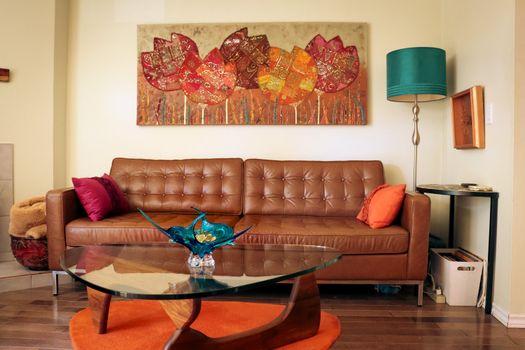 Photo: Claudia Solano / Pexels
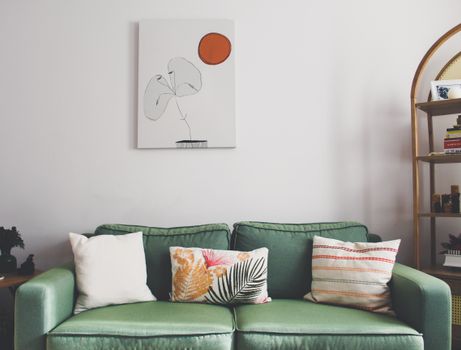 Photo: Hande K. Uyanık / Pexels
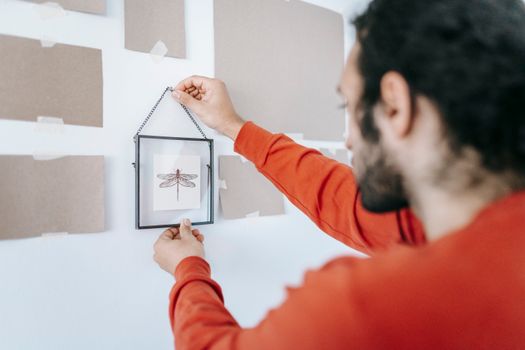 Photo: Blue Bird / Pexels
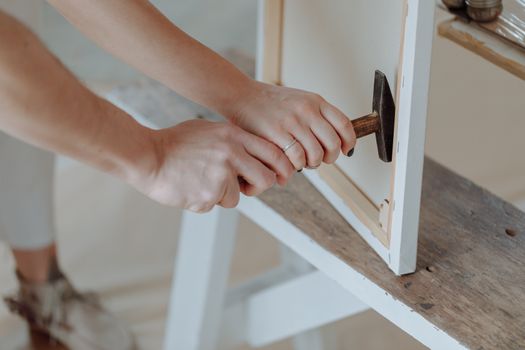 Photo: Thirdman / Pexels