What is Contemporary Art? A Deep Dive into Modern Expression

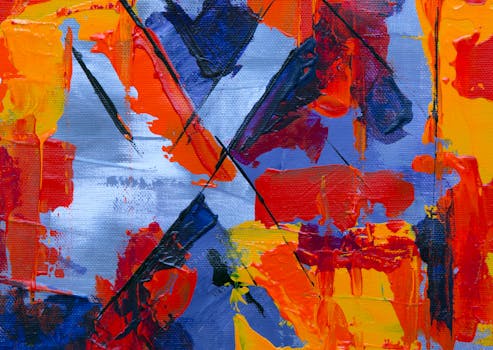
Vibrant abstract painting featuring textured white and red acrylic brushstrokes.Photo: Steve A Johnson / Pexels

What is Contemporary Art? A Deep Dive into Modern Expression

Explore the vibrant, challenging, and ever-evolving world of contemporary art and its profound cultural significance.

Start Your Journey

Key Takeaways

  • ✓ Contemporary art generally refers to art made from the 1960s/70s to the present day.
  • ✓ It embraces diverse mediums, concepts, and approaches, often challenging traditional notions of art.
  • ✓ Social, political, and cultural themes are frequently explored in contemporary artworks.
  • ✓ There is no single defining style; pluralism and experimentation are hallmarks of the movement.

How It Works

1
Understand the Timeline

Contemporary art follows modern art, beginning roughly post-1960s. This period is marked by a shift away from modernism's more rigid structures.

2
Embrace Diversity in Mediums

Be open to encountering art in unexpected forms, from traditional painting and sculpture to video installations, performance art, and digital creations.

3
Focus on Concept Over Aesthetics

Many contemporary pieces prioritize the idea or message behind the work, rather than just its visual beauty. Consider 'why' it was made.

4
Engage with Social Commentary

Contemporary art often reflects on current events, societal issues, and personal experiences, inviting viewers to critically examine the world around them.

Defining the Era: When Did Contemporary Art Begin?

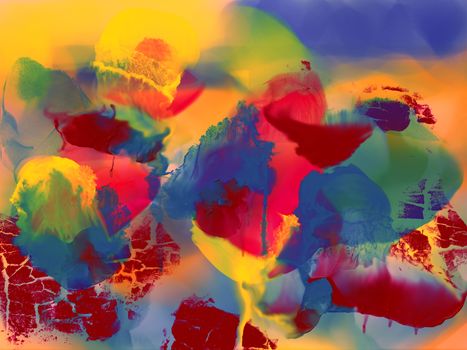
A dynamic abstract image featuring vibrant flowing waves in a mix of colors, creating a sense of motion and energy.Photo: Landiva Weber / Pexels
The question of 'what is contemporary art' often begins with establishing its timeline. While there's no universally agreed-upon exact start date, most art historians and critics place the beginning of contemporary art in the period immediately following modern art, roughly from the late 1960s or early 1970s to the present day. This distinction is crucial because it helps differentiate it from 'modern art,' which typically spans from the 1860s to the 1960s. Modern art, with its revolutionary movements like Impressionism, Cubism, and Abstract Expressionism, sought to break from classical traditions and explore new forms of expression. Contemporary art, however, takes this a step further, often questioning the very definition of art itself, its purpose, and its place in society. The transition from modern to contemporary was not a sharp, definitive cut-off but rather a gradual evolution marked by a shift in philosophical underpinnings and artistic approaches. The socio-political landscape of the post-World War II era, the rise of globalization, the advent of new technologies, and the growing awareness of diverse cultures all played a significant role in shaping this new artistic paradigm. Artists began to move away from the modernist emphasis on formal purity and universal truths, instead embracing pluralism, irony, and a critical engagement with mass culture. Key movements that emerged during this transitional period, such as Pop Art, Minimalism, and Conceptual Art, laid the groundwork for what we now understand as contemporary art. Pop Art, for instance, challenged the distinction between 'high' and 'low' art by incorporating imagery from popular culture and advertising. Minimalism stripped art down to its most essential forms, questioning the need for expressive content. Conceptual Art, perhaps most profoundly, emphasized the idea or concept behind the artwork as paramount, often more important than the finished object itself. These movements signaled a profound shift: art was no longer solely about aesthetic beauty or technical mastery but could be a vehicle for ideas, social commentary, and personal expression, often in unconventional forms. Understanding this historical context is the first step in appreciating the rich tapestry of artistic exploration that defines the contemporary period. It's a period characterized by boundless experimentation and a constant re-evaluation of what art can be, reflecting the complex and ever-changing world we inhabit.

Characteristics and Themes: What Makes Art 'Contemporary'?

Close-up of an artist's messy palette with vibrant paint tubes on wooden surface.Photo: Mikhail Nilov / Pexels
One of the most defining aspects of what is contemporary art is its incredible diversity and lack of a single, unifying style. Unlike previous art historical periods that could be categorized by dominant movements or aesthetic principles, contemporary art is characterized by pluralism. This means that artists today are free to explore a vast array of styles, mediums, and concepts simultaneously, often borrowing from or referencing art history, popular culture, and personal narratives. This freedom allows for a rich and sometimes bewildering array of artistic expressions, making it challenging yet rewarding to engage with. Key characteristics of contemporary art often include a strong emphasis on conceptualism, where the idea or message behind the work holds significant weight, sometimes even more so than its visual appeal. Artists frequently use their work to provoke thought, challenge assumptions, and initiate dialogue rather than merely to please the eye. Another hallmark is the embrace of new media and technologies. Beyond traditional painting and sculpture, contemporary artists utilize video, digital art, performance art, installation art, photography, sound art, and mixed media, pushing the boundaries of what constitutes an artwork. The materials themselves can be unconventional, ranging from everyday objects to organic matter, reflecting a willingness to experiment and find new ways to communicate. Contemporary art is also deeply engaged with the world around it. Themes frequently explored include social justice, identity (gender, race, sexuality), globalization, environmental concerns, political commentary, consumerism, and technology's impact on human experience. Artists often act as critical observers, reflecting on societal issues, personal traumas, or collective histories. This engagement often makes contemporary art highly relevant and sometimes controversial, as it directly addresses pressing issues of our time. The interactive and participatory nature of some contemporary artworks also blurs the line between artist and viewer, inviting the audience to become part of the artistic experience. This active engagement challenges passive viewing and encourages a more critical and reflective interaction with the art. The subjective experience of the viewer is often considered an integral part of the artwork's meaning, further emphasizing the open-ended and interpretive nature of contemporary artistic practice.

Mediums and Methods: The Expanding Toolkit of Contemporary Artists

Vibrant modern art installation in an indoor atrium with glass ceiling.Photo: Tahir Xəlfə / Pexels
The exploration of 'what is contemporary art' is incomplete without delving into the vast and ever-expanding toolkit available to artists today. Unlike historical periods where artists were largely confined to painting, sculpture, and drawing, contemporary artists operate in an environment where virtually anything can be considered a medium for artistic expression. This radical openness has led to an explosion of creativity and innovation, challenging traditional notions of craftsmanship and permanence. One of the most significant shifts has been the rise of new media. Video art, pioneered by artists like Nam June Paik, uses moving images to explore narrative, abstract concepts, and societal critiques. Digital art, encompassing everything from computer-generated imagery to interactive installations and virtual reality experiences, pushes the boundaries of visual perception and engagement. Photography, elevated beyond mere documentation, is used as a powerful tool for conceptual exploration, storytelling, and manipulation of reality. Sound art transforms auditory experiences into profound aesthetic encounters, often creating immersive environments. Performance art, a direct challenge to the commodification of art, emphasizes the live event, the artist's body, and the interaction with an audience as the artwork itself. These ephemeral works often explore identity, politics, and the limits of endurance. Installation art transforms entire spaces, creating immersive environments that viewers can walk through, interact with, and experience from multiple perspectives. These can be site-specific, responding directly to their location, or temporary, existing only for the duration of an exhibition. Assemblage and mixed media art combine disparate materials – found objects, textiles, electronics, natural elements – to create complex, layered works that defy easy categorization. The choice of medium in contemporary art is rarely arbitrary; it is often integral to the artwork's concept and message. An artist might choose recycled materials to comment on consumerism, or use digital projections to explore the elusive nature of memory. This purposeful selection underscores the conceptual depth prevalent in contemporary practices. Furthermore, many artists work across multiple mediums, allowing their ideas to dictate the most appropriate form of expression. This fluidity and interdisciplinary approach are hallmarks of the contemporary art world, reflecting a desire to break free from conventional boundaries and engage with the world in novel, thought-provoking ways. Understanding these diverse methods is key to appreciating the innovative spirit and intellectual rigor behind contemporary artistic endeavors.

Engaging with Contemporary Art: Tips for the Curious Viewer

Visitors in an art gallery engaging with blue abstract artworks. Captured indoors with contemporary art, diverse visitors enhancing the scene.Photo: This And No Internet 25 / Pexels
Navigating the world of what is contemporary art can sometimes feel daunting, especially for those accustomed to more traditional forms. However, with a few key approaches, you can unlock a deeper appreciation and find immense satisfaction in engaging with these often challenging and thought-provoking works. The primary mistake many viewers make is approaching contemporary art with the same expectations they hold for classical or even modern art – expecting beauty, clear narratives, or technical virtuosity in a conventional sense. Contemporary art often asks for something different: open-mindedness, curiosity, and a willingness to engage intellectually. Here are some tips to enhance your experience: * **Read the Wall Text:** This is perhaps the most crucial tip. Contemporary art often relies heavily on its concept. The accompanying wall text, artist statements, or exhibition guides provide invaluable context, explaining the artist's intentions, the themes explored, and the materials used. Don't skip it; it's often the key to understanding the work. * **Ask 'Why?' Not Just 'What?':** Instead of focusing solely on what an artwork depicts or looks like, ask yourself why the artist chose that subject, those materials, or that particular presentation. What ideas are they trying to convey? What questions are they raising? * **Embrace Discomfort and Ambiguity:** Not every artwork will be immediately pleasing or understandable. Some contemporary pieces are designed to provoke, challenge, or even confuse. Allow yourself to sit with these feelings. It's often in this discomfort that new insights emerge. * **Consider the Context:** Think about the socio-political climate, cultural trends, and technological advancements that might have influenced the artist. How does the artwork reflect or critique its time? * **Engage Your Own Experience:** How does the artwork make *you* feel? What memories or thoughts does it evoke? Your personal response is a valid and important part of the interpretive process in contemporary art. * **Talk About It:** Discussing artworks with others – friends, gallery staff, or fellow visitors – can open up new perspectives and interpretations. Art is often a conversation starter. * **Visit Diverse Venues:** Explore not just major museums but also smaller galleries, artist-run spaces, and even public art installations. The contemporary art scene is vibrant and varied. * **Don't Expect Perfection:** Contemporary art often values process, experimentation, and concept over polished finish. Imperfections or unconventional presentations might be intentional and part of the artwork's message. By adopting these approaches, you'll find that contemporary art is not an exclusive club but a dynamic, accessible realm of ideas and experiences that can profoundly enrich your understanding of the world and yourself. It's an invitation to think critically and feel deeply, pushing the boundaries of perception.

Comparison

FeatureContemporary ArtModern ArtClassical Art
Timeline1960s/70s - Present1860s - 1960sAncient - 18th Century
Defining StylePluralistic, No Single StyleAbstract, Impressionistic, CubistRepresentational, Idealized
Primary FocusConcept, Social CommentaryForm, Innovation, Breaking TraditionBeauty, Narrative, Religious/Mythological
MediumsDiverse (Video, Performance, Digital, Mixed)Painting, Sculpture, PhotographyPainting, Sculpture, Architecture
Viewer's RoleActive Interpreter, EngagedAppreciator of Aesthetics/FormObserver of Skill/Story
Challenge to Tradition

What Our Readers Say

5 ★★★★★

"This guide completely demystified what is contemporary art for me. I used to find it intimidating, but now I feel equipped to appreciate the ideas behind the works."

5 ★★★★★

"As an aspiring artist, understanding the characteristics and themes of contemporary art is crucial. This article provides an excellent framework and inspiration."

5 ★★★★★

"I used to walk through contemporary galleries confused. After reading this, I visited a new exhibit and actually understood the conceptual depth, making the experience far more rewarding."

4 ★★★★☆

"A very thorough explanation. While some aspects of contemporary art still challenge me, this guide offers practical tips for engaging with it more meaningfully. I especially appreciated the historical context."

5 ★★★★★

"This article was a fantastic resource for my art history class. It broke down complex ideas about what is contemporary art into understandable segments, making my research much easier."

Frequently Asked Questions

What is the main difference between modern and contemporary art?
The main difference lies in their timelines and philosophical approaches. Modern art (roughly 1860s-1960s) focused on breaking from classical traditions and exploring new forms. Contemporary art (1960s/70s-present) builds on this by questioning the very definition of art, embracing diverse mediums, and often prioritizing concept and social commentary over purely aesthetic concerns.
Why does contemporary art often seem so abstract or 'weird'?
Contemporary art often appears abstract or 'weird' because it frequently prioritizes concepts, ideas, and experiences over traditional aesthetics or literal representation. Artists use unconventional forms and materials to provoke thought, challenge norms, and explore complex themes, encouraging viewers to engage intellectually rather than just visually.
How can I start understanding and appreciating contemporary art?
Start by being open-minded and curious. Read the wall texts at galleries and museums, which provide crucial context. Focus on the 'why' behind the art – the artist's intentions and the themes explored – rather than just the 'what'. Engage with the work on an intellectual and emotional level, and don't be afraid to ask questions or discuss it with others.
Is contemporary art worth investing in, and how much does it cost?
The value of contemporary art is highly subjective and can range from very affordable pieces by emerging artists to millions for established names. Investment potential is complex, influenced by market trends, artist reputation, and critical acclaim. It's best to invest in art you genuinely appreciate, rather than solely for financial gain, and to consult with art advisors for significant purchases.
How does contemporary art compare to street art or public art?
Street art and public art are significant sub-genres within contemporary art. While contemporary art is an overarching term for art of our time, street art often refers to unsanctioned works in public spaces (like graffiti or murals), and public art refers to commissioned works in public spaces. Many contemporary artists work in both gallery settings and public domains, blurring these distinctions.
Who should engage with contemporary art?
Anyone with a curious mind and an interest in understanding the world around them should engage with contemporary art. It's particularly appealing to those who enjoy intellectual challenges, critical thinking, and exploring diverse perspectives on social, political, and cultural issues. It offers a unique lens through which to view and interpret our current era.
Are there any ethical concerns or risks associated with contemporary art?
Ethical concerns in contemporary art can arise from the use of sensitive materials, controversial themes, or the impact of installations on their environment. Artists often push boundaries, which can lead to debates about censorship, cultural appropriation, or the exploitation of subjects. While risks exist, these discussions often contribute to broader societal conversations, reflecting the art's role as a mirror and a catalyst.
What are the future trends in contemporary art?
Future trends in contemporary art are likely to continue exploring the intersection of art and technology, with increasing use of AI, virtual reality, and augmented reality. Climate change and environmental concerns will remain prominent themes. Expect further blurring of disciplinary boundaries, increased global perspectives, and a continued focus on identity, social justice, and participatory experiences.

Embark on your journey into the captivating world of contemporary art. Explore galleries, engage with diverse mediums, and discover how art reflects and shapes our present moment. Start seeing the world through a new lens today.

Topics: what is contemporary artmodern art movementsart interpretationpostmodern artcontemporary artists