
Where to Sell Handmade Crafts: Your Ultimate Guide to Profit

Colorful woven baskets and rugs displayed at an outdoor market stall.Photo: Anna Romanova / Pexels

Where to Sell Handmade Crafts: Your Ultimate Guide to Profit

Unlock the secrets to successfully selling your handmade creations and building a thriving craft business in the US.

Start Selling Now!

Key Takeaways

  • ✓ The US handmade market is projected to reach over $100 billion.
  • ✓ Online platforms offer the widest reach, while local markets provide direct customer interaction.
  • ✓ Branding and high-quality photography are crucial for online sales success.
  • ✓ Diversifying sales channels can significantly increase income potential.

How It Works

1
Define Your Niche & Products

Identify what makes your crafts unique and who your ideal customer is. This clarity helps you target the right platforms and marketing strategies.

2
Research Sales Channels

Explore various online marketplaces, local craft fairs, and consignment options. Evaluate each based on fees, audience, and ease of use to find the best fit for your specific items.

3
Prepare Your Inventory & Presentation

Ensure you have enough products ready to sell and that they are beautifully packaged and photographed. Professional presentation is key to attracting buyers, especially online.

4
Launch & Promote Your Shop

Set up your chosen sales channels and actively promote your crafts through social media, email marketing, and local networking. Consistent effort in promotion drives visibility and sales.

Navigating Online Marketplaces for Handmade Goods
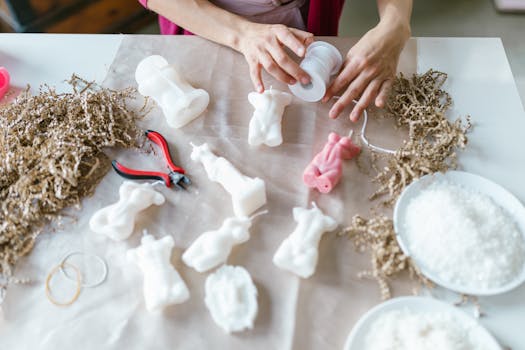
Discover the art of candle making with hands-on crafting sessions in this cozy indoor setup.Photo: RDNE Stock project / Pexels
The digital age has revolutionized how artisans connect with buyers, making online marketplaces indispensable for anyone wondering where to sell handmade crafts. These platforms offer unparalleled reach, allowing crafters in the US to showcase their creations to a global audience without the overhead of a physical storefront. However, choosing the right platform is critical, as each has its unique fee structure, audience demographics, and seller tools. Understanding these nuances is key to maximizing your profit and minimizing your effort. For instance, Etsy remains the undisputed giant in the handmade sector, boasting millions of active buyers specifically looking for unique, handcrafted items. Its robust search engine, integrated payment processing, and community features make it an attractive starting point for many. However, the sheer volume of sellers means competition is fierce, requiring strong branding, exceptional product photography, and active promotion to stand out. Other notable platforms include Amazon Handmade, which leverages Amazon's massive customer base and fulfillment services, appealing to those looking for a more established e-commerce environment. While it offers incredible exposure, the application process is more rigorous, and fees can be higher. Shopify, while not a marketplace itself, provides the tools to build your own independent online store, giving you complete control over your brand, customer data, and sales process. This option is ideal for crafters who want to scale their business and build a direct relationship with their customers, though it requires more effort in terms of marketing and driving traffic. Craftsy and Ravelry cater to specific niches – Craftsy for patterns and supplies, and Ravelry for knitting and crochet – demonstrating the importance of aligning your products with the right audience. Exploring different marketplace options allows you to diversify your sales strategy and reach various customer segments. Beyond these major players, smaller, niche-specific platforms might offer less competition and a more targeted audience, potentially leading to higher conversion rates for specialized crafts. It's crucial to research each platform's policies regarding handmade authenticity, payment processing times, and dispute resolution mechanisms. A well-chosen online marketplace can transform a hobby into a sustainable business, offering flexibility and broad customer access that traditional methods often cannot match. The key is to start with a platform that aligns with your current business size and growth aspirations, gradually expanding as your brand gains traction and your product line evolves. Remember, each platform has its own set of best practices for listings, SEO, and customer service, so investing time in learning these will significantly impact your success.

Tapping into Local Markets and Community Events
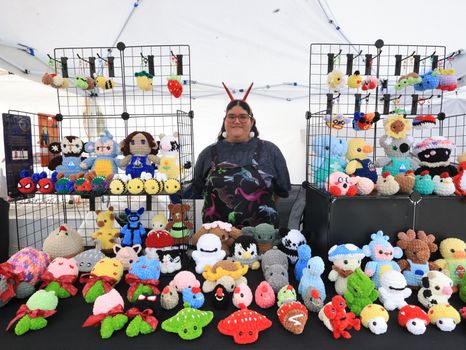
Vibrant crochet toys on display at a busy outdoor craft market.Photo: Heriberto Jahir Medina / Pexels
While online sales offer global reach, local markets and community events provide invaluable direct interaction with customers, making them a fantastic answer to where to sell handmade crafts, especially for those who enjoy face-to-face engagement. These venues allow you to tell the story behind your creations, build personal relationships, and receive immediate feedback, which can be crucial for product development and brand loyalty. Craft fairs, farmers' markets, and holiday bazaars are staples in many US communities, drawing crowds specifically looking for unique, handcrafted items. The benefits of selling locally extend beyond sales; they include networking with other artisans, gaining exposure within your community, and avoiding shipping costs and online platform fees. To succeed at local events, preparation is paramount. This includes having an attractive and functional booth setup that highlights your products, clear pricing, and a method for accepting various forms of payment, including credit cards (a mobile card reader is essential). Your display should be eye-catching and invite customers to touch and experience your crafts. Storytelling is also a powerful tool; being able to articulate the inspiration, materials, and process behind your work can significantly enhance its perceived value and drive sales. Beyond traditional fairs, consider exploring pop-up shops in local boutiques, collaborating with other small businesses for joint events, or even hosting open studio days. Local tourism boards and community centers are excellent resources for finding upcoming events and understanding local regulations for vendors. Participating in these events often requires an application, a vendor fee, and adherence to specific market rules, so it’s important to plan ahead. Building a strong local presence can also drive traffic to your online shop, creating a symbiotic relationship between your physical and digital sales channels. Many successful crafters use local events as a launchpad to test new products, gather testimonials, and cultivate a loyal customer base before scaling up their operations. Remember to collect customer contact information (with their permission) for future marketing efforts, like announcing new products or upcoming events. Engaged local customers often become your best advocates, spreading word-of-mouth recommendations that are invaluable for growth. The tangible connection you make at a local market is something an online transaction often can't replicate, making it an essential component of a well-rounded selling strategy for handmade goods.

Beyond Marketplaces: Alternative Avenues for Artisans

For artisans looking beyond the typical online marketplaces and local fairs, there are several innovative and often highly profitable alternative avenues for where to sell handmade crafts. These options can provide unique opportunities for niche products, offer higher profit margins, or allow for greater creative control. One significant avenue is wholesale. Selling your crafts wholesale to boutiques, gift shops, or galleries means selling in bulk at a reduced price, but it offers consistent, larger orders and expands your brand's reach without direct sales effort for each item. Platforms like Faire, Handshake (by Shopify), or even direct outreach to local shops can facilitate wholesale relationships. This strategy requires a different pricing model and often a more professional presentation, including line sheets and clear terms. Another powerful channel is commission work or custom orders. If your crafts lend themselves to personalization or unique designs, offering custom pieces can command premium prices and foster deep customer loyalty. This often involves direct communication with clients, understanding their vision, and delivering a one-of-a-kind item. Promoting custom work through your website, social media, or even at local events can attract these high-value customers. Diversifying your sales channels is crucial for long-term stability and growth. Consider subscription boxes, if your products are consumable or lend themselves to a curated monthly delivery. This model provides recurring revenue and builds a dedicated community around your brand. Platforms like Cratejoy can help manage the logistics of subscription boxes. Teaching workshops or offering classes related to your craft is another excellent way to monetize your skills and sell materials or finished products. This not only generates income from teaching but also positions you as an expert, building credibility and attracting potential buyers. Partnerships and collaborations with other artists or complementary businesses can also open new sales channels. Imagine a potter collaborating with a local florist to create unique vase arrangements, or a jewelry maker partnering with a fashion boutique for a special collection. These collaborations can introduce your work to new audiences and create exciting cross-promotional opportunities. Finally, building your own independent website using platforms like Shopify or Squarespace gives you ultimate control and allows you to capture 100% of your sales revenue (minus platform fees). While it requires more effort in driving traffic, it builds a direct brand identity and customer relationship that no third-party marketplace can offer. These alternative channels require strategic thinking and often a different set of skills than simply listing items online, but they can unlock significant growth and profitability for dedicated artisans.

Essential Tips for Maximizing Your Craft Sales & Avoiding Pitfalls

Successfully navigating the world of selling handmade crafts goes beyond just finding where to sell handmade crafts; it involves strategic planning, consistent effort, and smart decision-making. Here are crucial tips to help you maximize your sales and sidestep common pitfalls: * **Master Your Photography:** This cannot be stressed enough. High-quality, well-lit photographs are your storefront online. Invest in good lighting, a clean background, and multiple angles. For physical products, ensure they are shown in a lifestyle context. Poor photos are the quickest way to lose a potential customer, regardless of the quality of your craft. * **Develop a Strong Brand Identity:** Your brand is more than just a logo; it's the story, values, and aesthetic that define your business. Consistent branding across all platforms – from your product packaging to your social media presence – builds trust and recognition. Think about your target audience and what message resonates with them. * **Price Your Products Strategically:** This is often the biggest challenge for crafters. Your price must cover material costs, your time (don't undervalue your labor!), overheads, and a profit margin. Research competitor pricing, but don't just copy it. Consider the perceived value of your unique, handmade items. Underpricing can be as detrimental as overpricing, as it can devalue your work and lead to burnout. * **Utilize Social Media Effectively:** Platforms like Instagram, Pinterest, and TikTok are visual goldmines for handmade goods. Share your creative process, behind-the-scenes glimpses, and finished products. Engage with your audience, use relevant hashtags, and consider running targeted ads. Social media is not just for promotion; it's for community building. * **Provide Exceptional Customer Service:** Happy customers become repeat customers and brand advocates. Respond promptly to inquiries, handle issues gracefully, and go the extra mile. A positive customer experience can generate invaluable word-of-mouth marketing. * **Understand Shipping & Logistics:** If selling online, clear and transparent shipping policies are vital. Factor shipping costs into your pricing or offer calculated shipping. Package your items securely to prevent damage and consider offering tracking. Efficient shipping processes contribute significantly to customer satisfaction. * **Don't Put All Your Eggs in One Basket:** Diversify your sales channels. Relying solely on one platform or one type of event leaves you vulnerable to policy changes, market fluctuations, or event cancellations. A mix of online marketplaces, your own website, and local markets provides stability and broader reach. * **Track Your Sales and Expenses:** Keep meticulous records of everything. This helps you understand what's selling, what's not, and where your money is going. It's essential for tax purposes and for making informed business decisions about inventory and pricing. * **Continuously Learn and Adapt:** The market for handmade goods is constantly evolving. Stay updated on trends, learn new techniques, and be willing to adapt your products or marketing strategies based on customer feedback and market demand. Embrace constructive criticism as an opportunity for growth. By implementing these strategies, you can transform your passion for crafting into a successful and sustainable business, reaching the right customers and enjoying the fruits of your labor.

Comparison

FeatureEtsyAmazon HandmadeShopify (Own Store)Local Craft Fairs
ReachGlobal (Handmade focus)Global (Massive audience)Global (Self-driven)Local (Community focus)
FeesListing + Transaction + Payment ProcessingReferral + Payment Processing (Higher)Monthly Subscription + TransactionBooth Fee + Commission (Sometimes)
Control over BrandModerateLowHighHigh
CompetitionHigh (Many sellers)High (Many products)Medium (Requires marketing)Medium (Local vendors)
Customer InteractionIndirect (Messages)Indirect (Messages)Direct (Email, Chat)Direct (Face-to-face)
Setup DifficultyEasyModerateModerate to HighEasy to Moderate
Ideal ForUnique, niche craftsScalable, production-ready craftsBuilding a strong brandPersonalized sales, feedback

What Our Readers Say

5 ★★★★★

"After struggling to find buyers for my handmade jewelry, this guide led me to Etsy. Within a month, I made my first sale and now have a steady flow of orders! The tips on photography were a game-changer."

5 ★★★★★

"I used to only do local markets, but this article convinced me to try Amazon Handmade for my woodworking. The reach is incredible, and while it took some learning, my sales have doubled this quarter."

5 ★★★★★

"Building my own Shopify store felt daunting, but following the advice here made it manageable. I now have full control over my brand of hand-poured candles and a much higher profit margin."

4 ★★★★☆

"The insights on local craft fairs were spot-on. It's not just about selling, but about connecting with people. I've found a great community, though sometimes sales can be inconsistent."

5 ★★★★★

"I never considered wholesale for my custom textiles until reading this. I landed a deal with a local boutique, and it’s a fantastic way to get my work out there without constant individual sales effort."

Frequently Asked Questions

What is the best online platform to sell handmade crafts?
The 'best' platform depends on your specific product and business goals. Etsy is ideal for unique, artistic items with a global audience. Amazon Handmade offers massive reach for more scalable craft businesses. Shopify is best for those wanting full brand control and direct customer relationships, requiring more self-promotion.
How do I price my handmade crafts fairly and profitably?
To price effectively, calculate your material costs, the hourly rate for your labor, and a percentage for overhead (tools, marketing, fees). Add a profit margin on top. Research similar products in your niche, but don't undervalue your unique skills and time. Consider both perceived value and market demand.
How can I improve my product photography for online sales?
Use natural, diffused light whenever possible, or invest in a light box. Shoot against a clean, uncluttered background that complements your product. Take multiple photos from different angles, including close-ups and lifestyle shots. Ensure your images are high-resolution and accurately represent your craft's colors and textures.
What are the common fees associated with selling handmade crafts online?
Fees typically include listing fees (a small charge per item listed), transaction fees (a percentage of each sale), and payment processing fees (charged by the payment gateway). Some platforms also have monthly subscription fees or referral fees. Always review a platform's complete fee structure before committing.
Is it better to sell at local craft fairs or online?
Both channels offer distinct advantages. Local craft fairs provide direct customer interaction, immediate feedback, and community engagement. Online sales offer wider reach, convenience, and scalability. A hybrid approach, utilizing both local and online channels, often provides the most robust and profitable strategy for handmade craft businesses.
Who should consider selling handmade crafts as a business?
Anyone with a passion for creating and a desire to share their unique handmade items with a broader audience should consider selling. It's ideal for individuals who enjoy the creative process, are motivated to learn business skills like marketing and customer service, and are looking to monetize their artistic talents.
What are the legal considerations for selling handmade crafts in the US?
Key legal considerations include registering your business (sole proprietorship, LLC, etc.), obtaining any necessary local business licenses or permits, and understanding sales tax obligations. For certain products like cosmetics or children's toys, specific safety regulations and labeling requirements may apply. It's advisable to consult with a local business advisor.
How will AI and technology impact the future of selling handmade crafts?
AI and technology will likely enhance rather than replace handmade craft sales. AI can assist with marketing analytics, personalized customer recommendations, and even automating some administrative tasks. Augmented reality (AR) could allow customers to 'try on' or 'place' crafts in their homes virtually, improving the online shopping experience. This will empower crafters with better tools to reach their audience.

Ready to turn your passion into profit? Explore the diverse range of platforms and strategies outlined in this guide to discover exactly where to sell handmade crafts, reaching your ideal customers and building the thriving business you've always dreamed of. Start your selling journey today and bring your unique creations to the world.

Topics: where to sell handmade craftssell crafts onlinecraft selling platformslocal craft marketshandmade business tips
Leo List
Brampton weed
Adultwork