✓ Over 70% of art sales now occur online, making digital presence crucial.
✓ Commission rates for galleries can range from 30% to 60%, while online platforms vary greatly.
✓ Building a strong artist brand and narrative significantly impacts sales.
✓ Multiple income streams (prints, originals, commissions) can stabilize artist earnings.
How It Works
1
Define Your Art & Target Audience
Understand your unique artistic style, genre, and who your ideal collector is. This clarity will guide your choice of selling platforms and marketing efforts.
2
Prepare Your Art for Sale
Ensure your artwork is professionally photographed, priced appropriately, and ready for shipping or display. High-quality visuals are paramount for online sales.
3
Choose Your Selling Channels
Select a mix of online marketplaces, your own website, and local opportunities that align with your art and target audience. Diversification often leads to greater success.
4
Market & Promote Your Work
Actively promote your art across social media, email newsletters, and networking events. Consistent engagement builds a loyal following and drives sales.
Navigating Online Marketplaces for Selling Your Art
Photo: Craig Adderley / Pexels
The digital realm has revolutionized how artists connect with collectors, offering unprecedented reach and convenience. For artists asking, 'where to sell my own artwork?' online marketplaces are often the first port of call, and for good reason. Platforms like Etsy, Saatchi Art, and Artfinder have democratized the art market, allowing artists to bypass traditional gatekeepers and directly engage with a global audience. Each platform has its unique strengths and target demographic. Etsy, for instance, is renowned for handmade and vintage items, making it ideal for artists creating unique, craft-oriented pieces, prints, or smaller originals. It boasts a massive user base, but also high competition. Saatchi Art and Artfinder, on the other hand, are more curated, focusing on fine art and attracting serious collectors. They often provide more robust artist profiles, professional marketing support, and higher average price points, though their commission structures can be steeper.
When choosing an online marketplace, consider factors like commission rates, listing fees, audience size, and the platform's overall aesthetic and user experience. Some platforms operate on a subscription model, while others take a percentage of each sale. It's crucial to read the fine print and understand the costs involved. Beyond these, emerging platforms like Society6 and Redbubble offer print-on-demand services, allowing artists to upload their designs and have them printed on various products – from phone cases to home decor – without handling inventory or shipping. This can be an excellent way to generate passive income and reach a broader audience who might not typically buy original art. However, the per-item profit margin is generally lower.
Another significant advantage of online marketplaces is the built-in audience and marketing infrastructure. They invest heavily in SEO and advertising, bringing potential buyers directly to their sites. Artists still need to optimize their listings with high-quality images, compelling descriptions, and relevant keywords, but the foundational marketing work is often handled. Building a strong artist bio and story on these platforms can also help you connect with buyers on a deeper level, transforming a casual browser into a loyal patron. Remember, while these platforms offer visibility, they also require consistent effort in managing your shop, responding to inquiries, and fulfilling orders promptly. Establishing a professional presence across one or two well-chosen platforms can be far more effective than spreading yourself too thin across many. It's about finding the right fit for your art and your business goals. For further insights into building an online presence, explore how to market your art online.
Establishing Your Own Digital Presence and Direct Sales
While online marketplaces offer a great starting point, establishing your own website is arguably the most powerful long-term strategy for artists pondering 'where to sell my own artwork' directly. An artist's personal website serves as your digital gallery, a dedicated space where you have complete control over your brand, presentation, and sales process. Platforms like Shopify, Squarespace, and Wix provide user-friendly tools specifically designed for creatives to build stunning e-commerce sites without needing extensive coding knowledge. These platforms offer customizable templates, integrated payment gateways, and inventory management features, empowering you to manage your entire sales operation from one central hub.
The primary advantage of having your own website is the absence of commission fees, meaning you retain 100% of your sale price (minus transaction fees from payment processors like Stripe or PayPal). This significantly increases your profit margins compared to third-party marketplaces. Furthermore, your website allows for unparalleled branding opportunities. You can tell your artist story, share your process, host a blog, and curate your portfolio exactly as you envision it, creating a truly immersive experience for visitors. This direct connection with collectors fosters loyalty and allows for deeper engagement, as you can collect email addresses for newsletters and communicate directly with your audience.
However, the responsibility for driving traffic to your website falls entirely on you. This means implementing robust SEO strategies, actively promoting your site on social media, running email marketing campaigns, and potentially investing in paid advertising. It's a more hands-on approach to marketing, but the rewards are substantial. Consider integrating features like a mailing list signup, a contact form, and clear calls to action. High-quality photography of your artwork is non-negotiable; professional images are crucial for showcasing your pieces accurately and enticing buyers. Offering secure payment options and transparent shipping policies builds trust.
Beyond just selling originals, your website is an ideal place to offer prints, merchandise, and even digital downloads, diversifying your income streams. It also serves as a central hub for all your artistic endeavors, linking to your social media profiles, exhibition schedules, and press mentions. Over time, a well-maintained and actively promoted personal website can become your most valuable asset in your art business, providing a direct, unmediated channel to your collectors and ensuring you maintain full control over your artistic career. It's an investment in your future as an artist.
Exploring Traditional and Local Avenues for Selling Art
While the digital landscape offers vast opportunities, traditional and local avenues remain incredibly vital for artists asking 'where to sell my own artwork' and connecting with their community. Physical spaces provide an invaluable sensory experience that online viewing can't fully replicate, allowing collectors to appreciate texture, scale, and the nuances of a piece in person. Art galleries, both established and emerging, serve as cornerstones of the traditional art market. Gaining representation by a gallery can significantly elevate an artist's career, offering professional curation, marketing, and access to a network of collectors. However, gallery representation is highly competitive, and commissions typically range from 40-60%. Artists must research galleries that align with their style and career stage, then prepare a professional portfolio and approach them with a clear understanding of their expectations.
Beyond formal galleries, local art fairs, markets, and festivals are fantastic opportunities for direct sales and community engagement. These events allow artists to meet potential buyers face-to-face, share their stories, and build personal connections. The overhead for these events usually involves booth fees, display materials, and travel, but artists retain a much larger percentage of their sales. Success at art fairs hinges on having a professional display, engaging with visitors, and having a range of price points to appeal to different budgets. Building an email list at these events is also crucial for future marketing.
Another often-overlooked avenue is local businesses. Coffee shops, restaurants, boutiques, and even professional offices are frequently eager to display local art, often on a consignment basis. This offers visibility to a different demographic and can lead to unexpected sales. While sales might not be as frequent as a dedicated gallery, it's a low-cost way to get your work seen in the community. Consider approaching businesses whose aesthetic complements your art.
Community art centers, open studios, and pop-up shops also provide flexible and accessible ways to exhibit and sell. Open studio events, where artists invite the public into their workspace, create a unique, intimate experience that can foster deep connections and sales. Pop-up shops, either solo or collaborative, offer temporary retail spaces in high-traffic areas, generating buzz and immediate sales. The key to success in traditional and local sales is active networking, persistent outreach, and a willingness to engage directly with your audience. These avenues not only generate income but also build your reputation and integrate you into the vibrant local art scene. For more information on creating compelling art, visit how to improve your art skills.
Essential Tips for Artists Selling Their Own Work
Selling your artwork, regardless of the channel, requires more than just talent; it demands strategic thinking and consistent effort. Here are some essential tips to help you thrive:
* **Professional Photography is Non-Negotiable:** This cannot be stressed enough. High-quality, well-lit images are the single most important factor for online sales. Invest in good equipment or hire a professional photographer. Show your art in different contexts – detail shots, full shots, and even in-situ shots to give buyers a sense of scale and how it might look in their home.
* **Price Your Art Strategically:** Research similar artists and their pricing. Consider your materials, time invested, size, and your experience level. Don't underprice your work; it can devalue your brand. Be consistent across all platforms. You can use a simple formula like (hourly rate x hours) + material costs, or (width + height) x dollar amount.
* **Craft a Compelling Artist Story:** People connect with stories. Share your inspiration, your process, and what your art means to you. This narrative builds an emotional connection with potential buyers and helps them understand the value beyond the aesthetics.
* **Build a Strong Online Presence:** Beyond selling platforms, maintain active social media profiles (Instagram, Pinterest, Facebook are popular for artists) and engage with your audience. Share behind-the-scenes content, process videos, and interact with comments. Consistency is key.
* **Offer Excellent Customer Service:** Respond promptly to inquiries, provide clear communication about shipping, and ensure secure packaging. A positive buying experience leads to repeat customers and valuable word-of-mouth referrals.
* **Don't Neglect Email Marketing:** Collect email addresses from your website, art fairs, and social media. Send regular newsletters with new work, exhibition updates, and exclusive offers. This is one of the most effective ways to nurture leads and convert them into sales.
* **Understand Shipping & Logistics:** Research shipping costs, packaging materials, and insurance options. Offer clear shipping policies to buyers. For international sales, be aware of customs duties and regulations.
* **Network with Other Artists:** Join artist communities, attend workshops, and connect with peers. Networking can lead to collaborations, shared opportunities, and invaluable advice.
* **Embrace Continuous Learning:** The art market is always evolving. Stay updated on trends, marketing strategies, and new platforms. Attend webinars, read industry blogs, and adapt your approach as needed.
* **Be Patient and Persistent:** Building a successful art business takes time. There will be highs and lows. Stay dedicated to your craft and your marketing efforts, and celebrate small victories along the way.
Comparison
Feature
Your Own Website
Online Marketplaces
Art Galleries
Commission
0% (minus transaction fees)
5-35%+
30-60%
Control
Full
Limited
Limited
Audience Reach
Requires own marketing
Built-in, global
Curated, regional/global
Branding
Complete freedom
Platform-dependent
Gallery-dependent
Effort (Marketing)
High
Moderate
Low (gallery handles)
Payment Terms
Instant (via processor)
Platform specific
Gallery specific (often 30-90 days after sale)
What Readers Say
★★★★★
"Finding where to sell my own artwork was overwhelming until I created my own Shopify site. It gave me full control and my sales have quadrupled because I keep 100% of the profit."
Sarah J. · Austin, TX
★★★★★
"Etsy has been fantastic for my print sales. While commissions exist, the sheer volume of traffic makes it a viable option for artists wondering where to sell their own artwork without a huge upfront investment."
Mark T. · Brooklyn, NY
★★★★★
"After struggling to find where to sell my own artwork, I focused on local art fairs. I sold 5 originals in one weekend and made invaluable connections with collectors in my community."
Elena R. · Santa Fe, NM
★★★★★
"Saatchi Art provided a good platform for my larger pieces, though the commission is high. It definitely helped me get discovered by international buyers who wouldn't have found me otherwise."
David L. · Portland, OR
★★★★★
"I used to only sell through galleries. Now, having my own website alongside gallery representation has given me diverse income streams, answering the 'where to sell my own artwork' question with multiple solutions."
Chloe M. · Miami, FL
Frequently Asked Questions
What is the best platform where to sell my own artwork online?
There isn't a single 'best' platform; it depends on your art style, target audience, and business goals. For handcrafted items or prints, Etsy might be ideal. For fine art, Saatchi Art or Artfinder are strong contenders. For complete control and higher profit margins, your own website is often the most powerful long-term solution. Many artists use a combination of platforms.
Is it worth selling my art through a gallery with high commission rates?
Yes, it can absolutely be worth it. Galleries offer professional curation, marketing, and access to an established network of collectors that can be difficult to build on your own. While commissions are high, the exposure, credibility, and higher price points they can command for your work often outweigh the percentage taken, especially for emerging and mid-career artists. It's an investment in your career.
How do I price my artwork fairly and competitively?
Pricing your artwork involves considering multiple factors: materials cost, time invested, your experience level, the size and medium of the piece, and market demand. Research what similar artists with comparable experience are charging. Avoid underpricing, as it can devalue your work. A common formula is (length + width) x a per-inch dollar amount, plus material costs, but always adjust based on market perception and your unique value.
What are the typical costs associated with selling my own artwork?
Costs can vary significantly. Online platforms often charge listing fees, monthly subscriptions, and/or a percentage commission on sales (5-35%). Your own website will have hosting and domain fees (approx. $10-50/month). Art fairs involve booth fees ($50-$500+ per event). Other costs include professional photography, packaging materials, shipping, marketing expenses, and potentially insurance for your work.
Should I create prints of my original artwork?
Yes, creating prints is highly recommended. It allows you to diversify your income streams and make your art accessible to a wider audience at different price points. Prints can generate passive income, help build your brand, and introduce new collectors to your work who might eventually invest in an original. Ensure your prints are high quality and clearly labeled (e.g., 'limited edition' or 'open edition').
Who should consider selling their own artwork directly?
Artists who are comfortable with marketing, managing their own website, and handling customer service are ideal candidates for direct sales. It suits those who want full control over their brand, pricing, and collector relationships, and who are willing to put in the effort to build their own audience rather than relying solely on third-party platforms or galleries.
How can I protect my artwork during shipping?
Protecting your artwork during shipping is crucial. Use high-quality, archival packaging materials like acid-free paper, glassine, foam core, and sturdy boxes. For framed art or canvases, custom crates might be necessary. Always insure your shipments for the full value of the artwork and choose a reputable carrier experienced in handling fragile items. Clearly label packages as 'FRAGILE - ARTWORK'.
What role does social media play in selling artwork in the future?
Social media will continue to be an indispensable tool for artists. Platforms like Instagram, TikTok, and Pinterest are evolving into powerful visual discovery and e-commerce channels. Expect to see more integrated shopping features, augmented reality for 'trying on' art in homes, and deeper creator-to-consumer connections. Building an authentic online community will be even more critical for future sales.
Now that you have a comprehensive understanding of where to sell my own artwork, it's time to take action. Evaluate your art, choose the right platforms, and start building your thriving art business today. Your masterpiece is waiting to find its home!

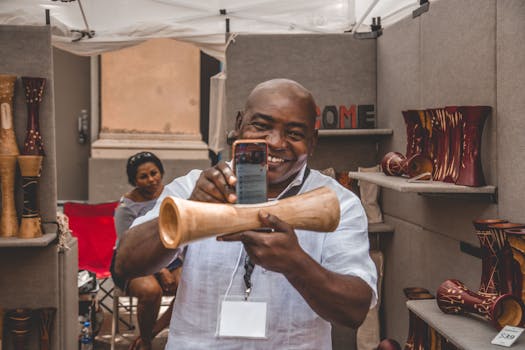 Photo: Craig Adderley / Pexels